





Heady NJ recently traveled to West Deptford for a tour of the cultivation facility of the quality grower Grown Rogue and saw what it took to produce quality legal New Jersey cannabis flower.
Table of Contents
I got plenty of great videos and pictures of cannabis plants that Instagram, Facebook, and YouTube would hate, like the one below.
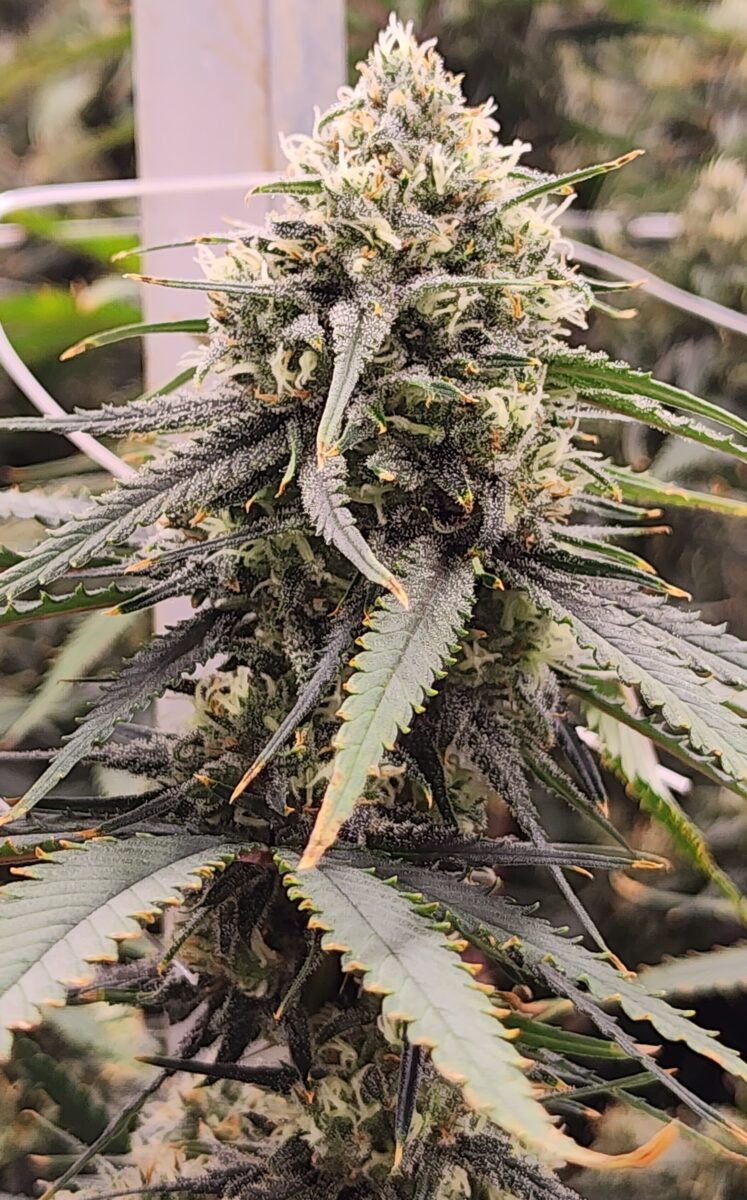
I also got a little sample, which was very good.


Grown Rogue in West Deptford in South Jersey
Grown Rogue took Heady NJ on a tour of several rooms, each with a different stage of plants growing.
They have a 10,000 sq ft canopy with 8 grow rooms in a larger building since hallways and other spaces don’t count.
Grown Rogue NJ Operations President Josh Krane said they let the plant grow on its own schedule. He was formerly with the grower Garden Greens and is now heading their operations.
Krane said they’re not trying to impose a cookie-cutter model comparable to large MSOs who often do that. He said they’re responsive to what the market wants.

Grown Rogue avoids cutting corners some MSOs have been accused of doing.
They showed Heady NJ their multiple grow rooms where plants are in different phases.
Krane said Grown Rogue cannabis flower is available in about 160 New Jersey cannabis dispensaries.
Nurturing Baby Clone Plants
The baby plant clone growing process begins with a branch cut off, dipping the stem in a solution, and putting it in rockwool.
“Rockwool allows us to really control the environment that they’re in,” Krane argued. “It also … allows them to grow their roots.”
He noted they often trim the plant leaves so they don’t block the sun hitting the good parts of the plant.
However, initially they absorb moisture through their leaves.
“There’s no pesticides allowed in the State,” Krane noted. “So, we have to use other things like organic oil… citrus oil to help prevent… bad bugs from getting in.”


He noted “good bugs” often eat “bad bugs.”
The baby clone plants go under a dome for a little while to germinate and grow roots.
About 2,000 cuts a week are done. Only about 1,000 are likely to move forward.
“If it’s unhealthy here, it will remain unhealthy through the rest of its grow cycle,” Krane explained.


After a few weeks, the baby clone plants are ready to be transferred to the next room.
He noted they have an irrigation system with different tanks for different grow stages.
Krane added the lights are hot to get the plants to grow quickly.
Growing Grown Rogue Cannabis Flower
Plants are transferred to different growing rooms when they get big enough.
Every plant then gets a tag with a Metrc barcode to be tracked “from seed to sale” to be legally grown in New Jersey.
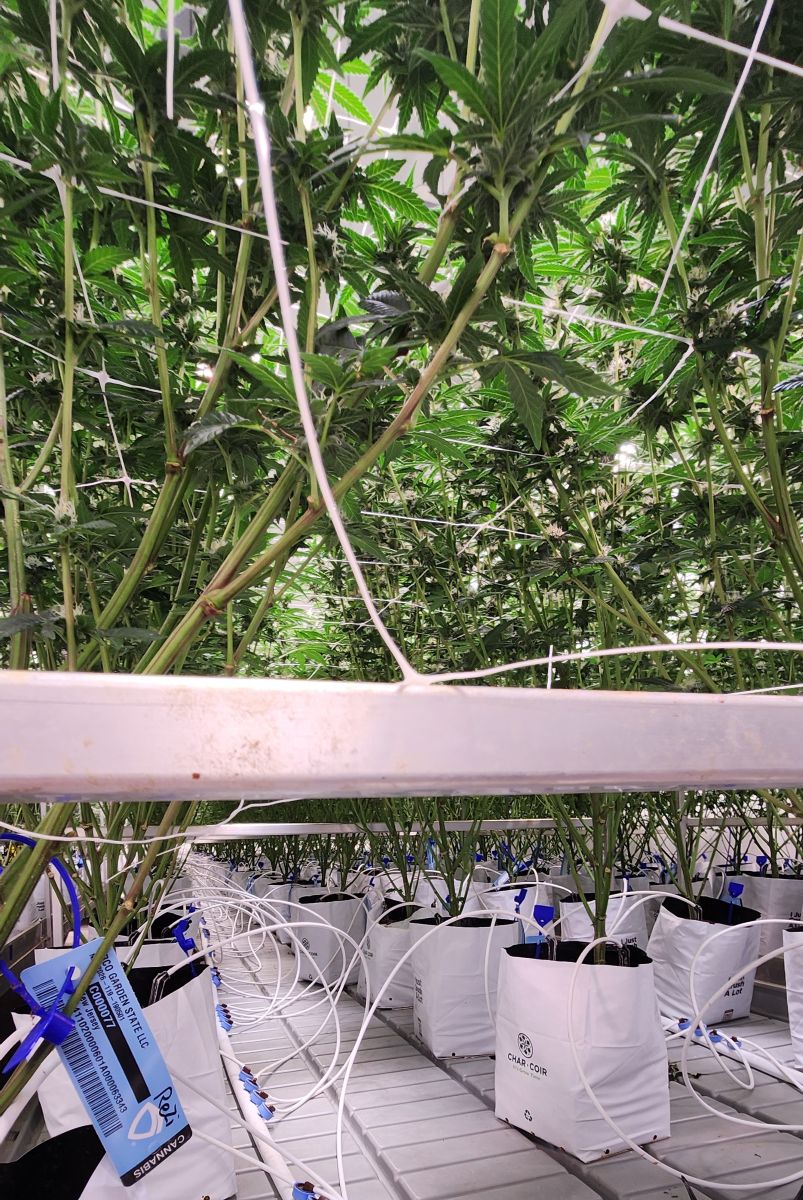
While Heady NJ hears large Multi-State Operators (MSOs) often work on their schedule versus the plants at the expense of quality, Grown Rogue works on the plant’s schedule.
“Depending on what the strain wants to get to the full finish… it will spend more or less time in this phase,” Krane noted.
Their grow rooms have fans to simulate outdoor winds since plants are used to swaying in the wind and moving to get the most sun.
Grown Rogue, like many legal cannabis growing sites, grows its cannabis indoors with hot lights to simulate the sun. The lights are also turned off to simulate nighttime.
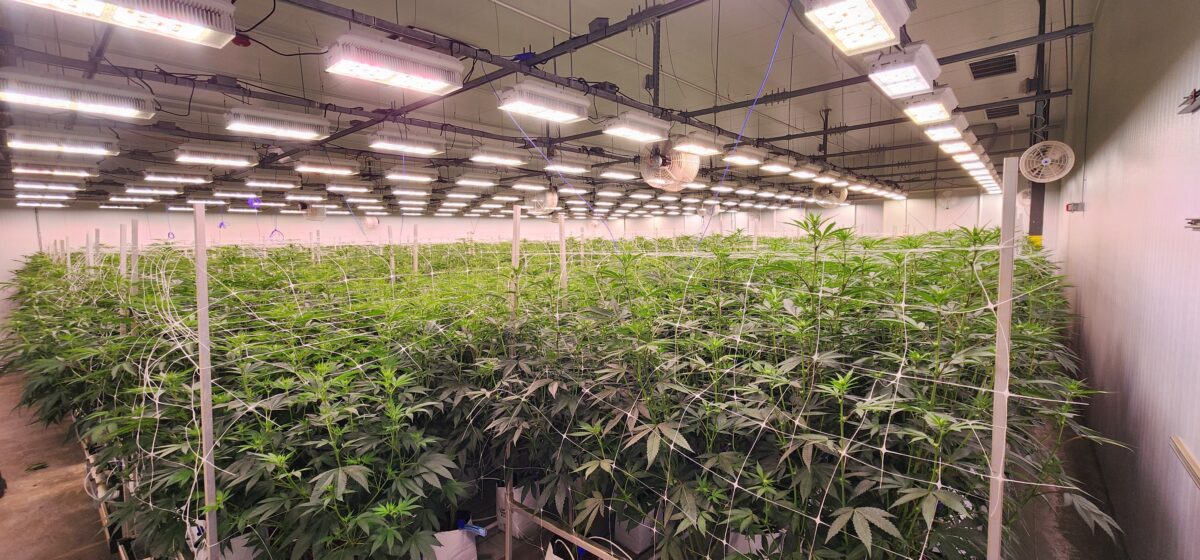
Like other legal cannabis growing sites, conditions are tightly controlled to manage the many variables of growing plants that could happen, like a scientific experiment on an industrial scale. So, the legal cannabis growing process can be very different from how one might picture a traditional farm.
Also, like other companies, Grown Rogue has shelves of plants growing to utilize the square footage.

They are also very sensitive with the chemicals and nutrients in the water they give to plants.
Notably, they have environmental sensors to monitor humidity and carbon dioxide levels in the grow rooms. They help to ensure there is no mold on the plants due to moisture, among other issues.
Krane said they cut the lower branches of the plants off often because they do not produce quality flower nugs. Quality flower or nugs are most often found at the top of the plant.
Like other growers, he noted that while plants can’t talk, they are alive and very sensitive to music.
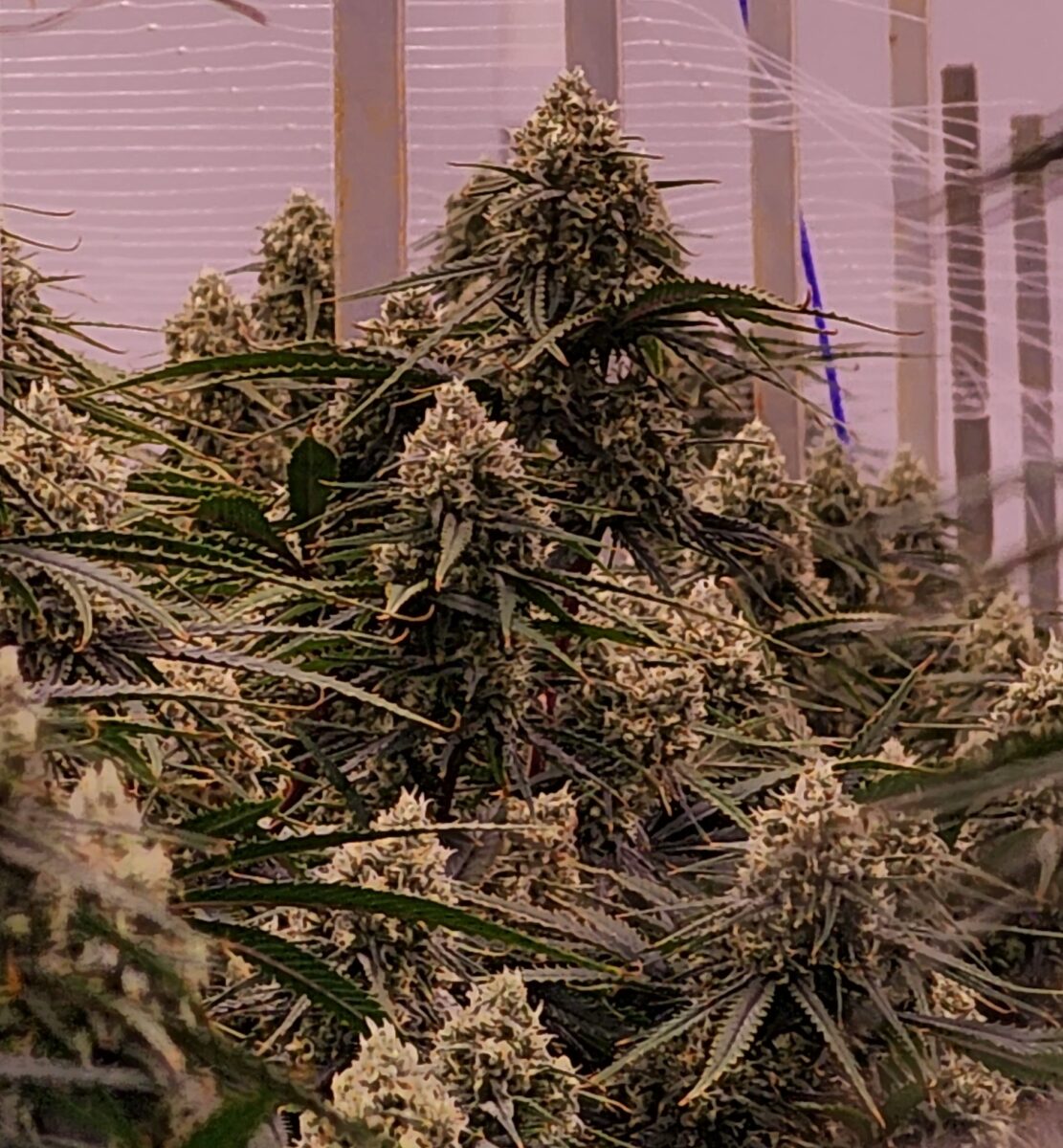
Around Day 41, the plants and the flower nugs begin to get larger and start smelling really good due to their terpenes. It’s also when the plant gets colorful and full of trichomes that make them look frosty.
Harvesting, Curing, and Prepping Cannabis to be Sold
Once they are harvested, they are cured in a separate room. This involves ensuring the flower isn’t so moist that mold grows or that it’s too dry that many complain.
Their best flower goes into bags of flower to be sold versus their pre-rolls, a common industry practice.
Notably, Grown Rogue has people hand-trimming their plants of extra leaves and stems.
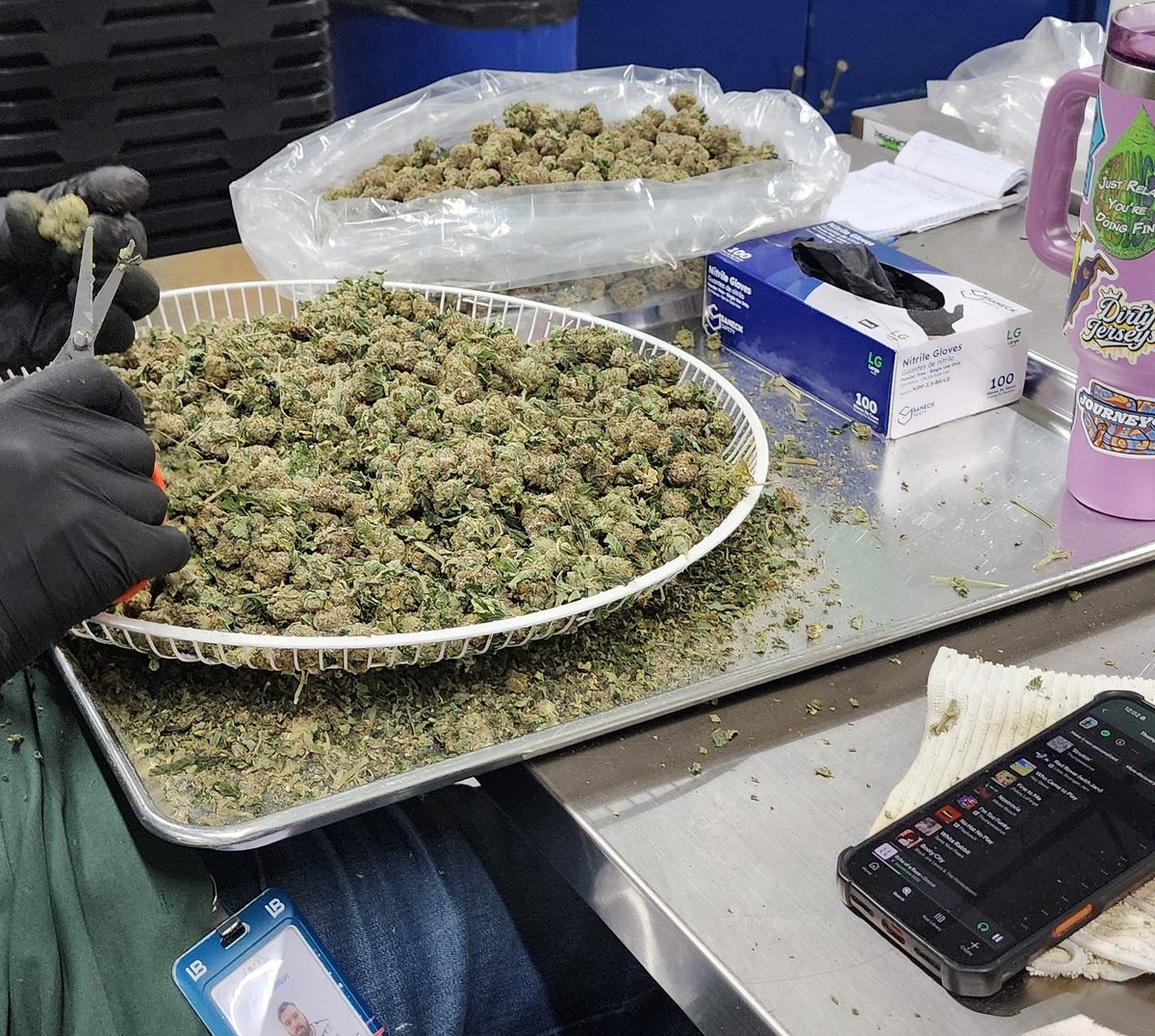
“We deliberately leave a little sugar leaf on the plant,” Krane explained. “We want our customers to know what they got was hand-trimmed.”
Many longtime connoisseur consumers appreciate such care taken.
He noted Reserve is their best brand while Yeti is deliberately priced to be affordable for more casual consumers.
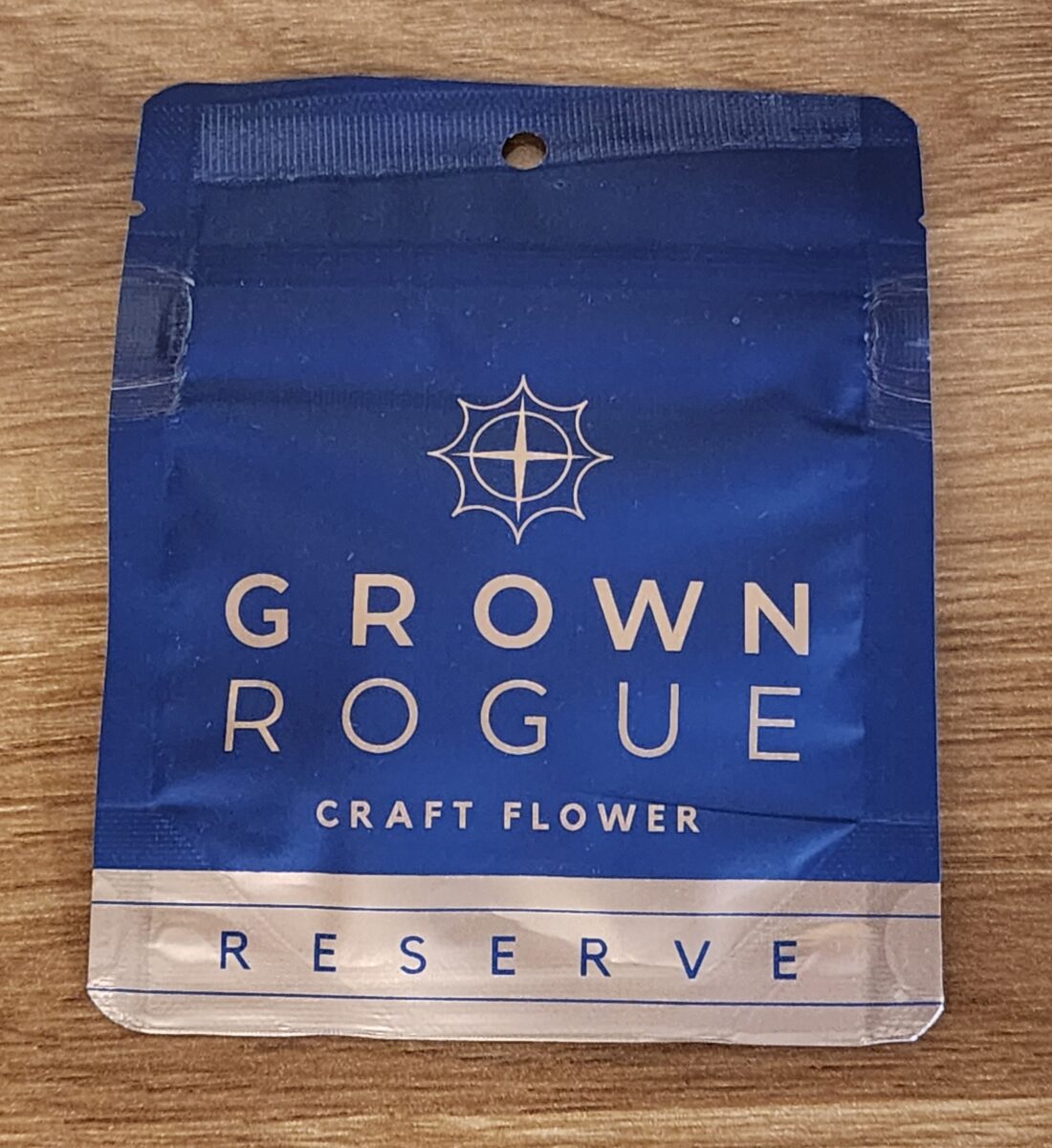
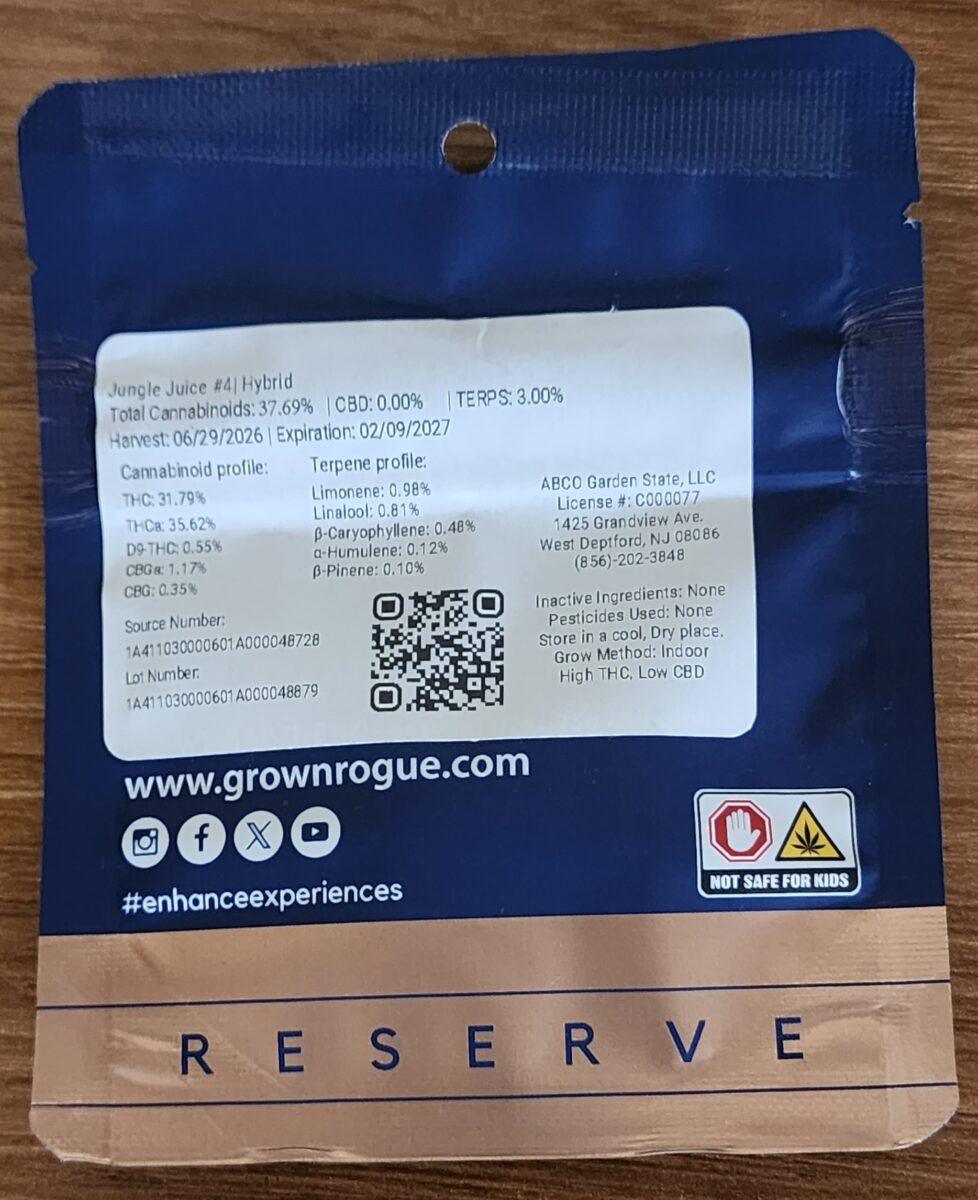
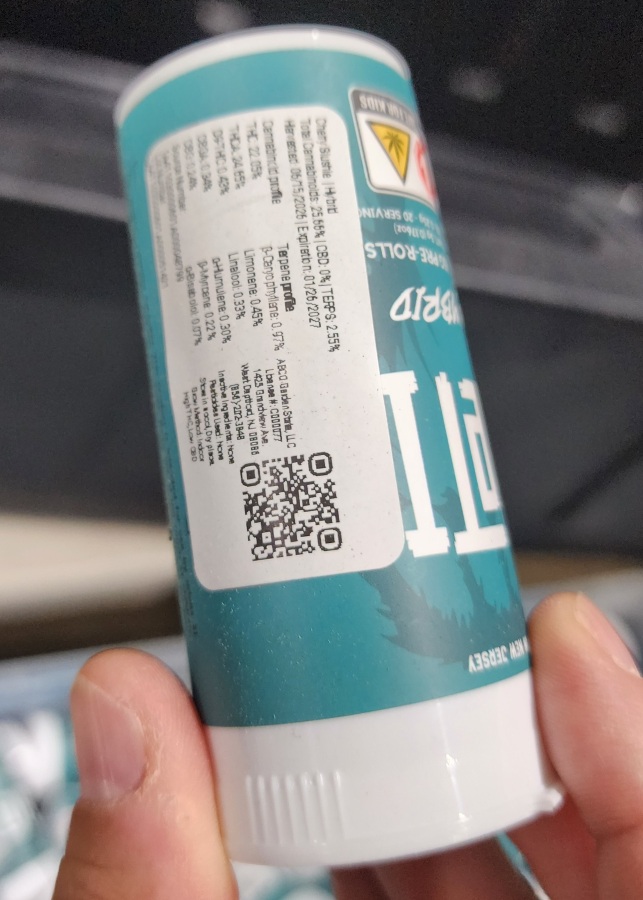
“We try to hit 30 percent THC on our Reserve strains,” Krane explained.
Their premium products that cost the most have the most THC, which reflects consumer demands.
The catch is that terpenes and cannabinoids matter a lot when you get high.
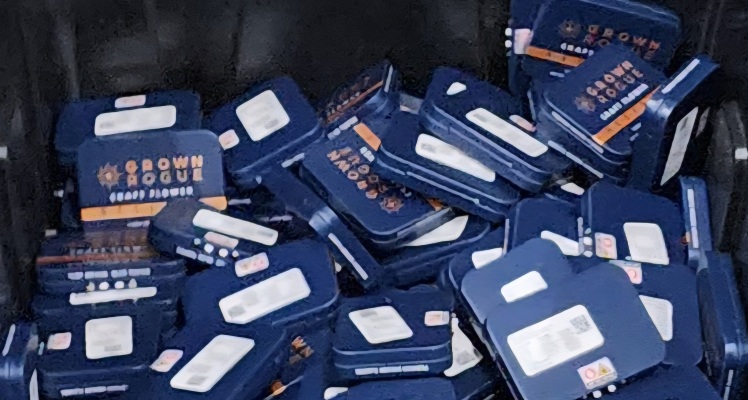
Grown Rogue works very hard to have their bags of flower filled and sealed properly.
Their joints are placed into packets to be sold.
Grown Rogue Company Background
The company that owns Grown Rogue is ABCO Garden State LLC. According to Krane, it is partially owned by a small Multi-State Operator (MSO) founded by a former underground legacy grower in Oregon along with local owners who initially went out west to California.
ABCO won its conversion to an annual NJ cannabis cultivation license needed to begin operations from the NJCRC in October 2023.
They initially won a conditional license in May 2022.
Grown Rogue is among the competitors for Best Indica Flower in the Best in Grass 2026 NJ Cannabis Cup.
Krane said Nile dispensary of West New York is partially owned by the same owner. But they are not vertically integrated.