




As the U.S. cannabis industry matures, one phrase is everywhere from dispensary menus to online listings: top shelf. But what does “top-shelf cannabis” mean?
For experienced consumers, it’s more than a label. It’s a combination of genetics, cultivation, processing, and overall experience. And as the market becomes more competitive, understanding what defines true quality is more important than ever.
What “Top-Shelf” Means
So, top-shelf cannabis strains are products that meet the highest standards across multiple factors. Not just potency.
Many casual consumers assume that higher THC equals better quality. But that’s only one piece of the puzzle. Premium cannabis is defined by a more complete profile, including:

- Aroma and terpene richness
- Visual appearance
- Smoothness of the experience
- Consistency from batch to batch
So top shelf is about balance and refinement. Not just strength.
The Role of Genetics
Every high-quality strain starts with strong genetics.
Cultivators select specific strains based on their:
- Cannabinoid profiles
- Terpene combinations
- Growth characteristics
Well-bred genetics ensure that the plant can consistently produce desirable results. That’s whether that’s a calming, uplifting, or balanced effect.
Without this foundation, even the best cultivation practices can only go so far.
Cultivation: Where Quality Is Built
Growing cannabis is both a science and an art. Top-shelf strains are typically cultivated with:
- Controlled environments (indoor or precision greenhouse)
- Careful nutrient management
- Attention to plant health at every stage
These methods help preserve the plant’s natural complexity. This leads to a more refined final product.
Cutting corners during cultivation through rushed growth cycles or poor environmental control often leads to lower-quality outcomes. That’s regardless of the strain’s potential.
The Importance of Terpenes
If cannabinoids define what a strain does, terpenes define how it feels.


Terpenes are aromatic compounds responsible for:
- Flavor and scent
- Subtle variations in effect
- The overall experience
Top-shelf cannabis tends to have:
- Strong, distinct aromas
- Well-preserved terpene profiles
- A noticeable difference between strains

This is one of the key reasons many consumers prefer full-spectrum cannabis products. That’s where the plant’s natural compounds remain intact.
Appearance and Structure
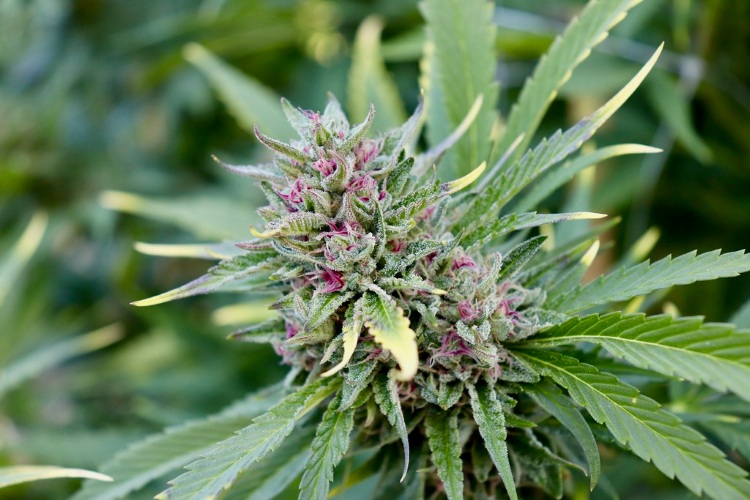
Visual quality is often the first indicator of a premium product.
Top-shelf flower typically features:
- Dense, well-formed buds
- Vibrant coloration (greens, purples, oranges)
- Visible trichomes (the frosty coating)
Appearance alone doesn’t guarantee quality. However, it often reflects the care taken during cultivation and processing.
Curing and Processing: The Final Step
Even perfectly grown cannabis can lose quality if it’s not handled properly after harvest.
Top-shelf strains undergo:
- Slow, controlled drying
- Proper curing to preserve moisture and flavor
- Careful trimming and packaging
This process enhances:
- Smoothness
- Flavor
- Shelf stability
Rushed curing, on the other hand, can result in harsh smoke, muted aroma, and reduced overall quality.
Why Full Spectrum Matters
In today’s market, there’s a growing distinction between real, full-spectrum cannabis and heavily processed alternatives.
Top-shelf strains are typically:
- Minimally altered
- Rich in natural cannabinoids and terpenes
- True to their original genetic profile
This contrasts with products that rely on isolates or synthetic conversions, which may lack the complexity and consistency of full-spectrum offerings.
For many consumers, this authenticity is a defining factor in what qualifies as “top shelf.”
Consistency and Trust
Quality isn’t just about a single experience. It’s about reliability over time.
Top-tier cannabis providers focus on:
- Consistent product standards
- Transparent sourcing
- Verified lab testing
This ensures that what you buy today delivers the same level of quality as what you bought last time.
In a crowded market, consistency is one of the clearest indicators of a reputable source.
What Consumers Should Look For
If you’re evaluating cannabis quality, consider the following:
- Aroma: Strong, fresh, and distinctive
- Texture: Slightly sticky, not dry or brittle
- Appearance: Well-formed buds with visible trichomes
- Lab results: Clear cannabinoid and terpene profiles
- Source: Transparent, compliant, and reputable
These factors provide a more complete picture than just THC percentage.
The Evolution of Cannabis Consumer Standards
As cannabis becomes more mainstream, consumer expectations are rising.
People are moving away from:
- Low-quality, mass-produced products
- Misleading labels or unclear sourcing
And toward:
- Curated selections
- Full spectrum authenticity
- Transparent, high-quality offerings
This shift is pushing the industry to raise its standards. It also redefines what “top shelf cannabis” truly means.
Final Thoughts
Top-shelf cannabis isn’t about hype. It’s about quality at every stage, from seed to final product.
It reflects careful cultivation, thoughtful processing, and a commitment to preserving the plant’s natural complexity.
For today’s consumers, understanding these factors isn’t just helpful. It’s essential for making informed choices in an increasingly sophisticated market.
Because when it comes to cannabis, the difference between average and exceptional is something you can see, smell, and experience.