




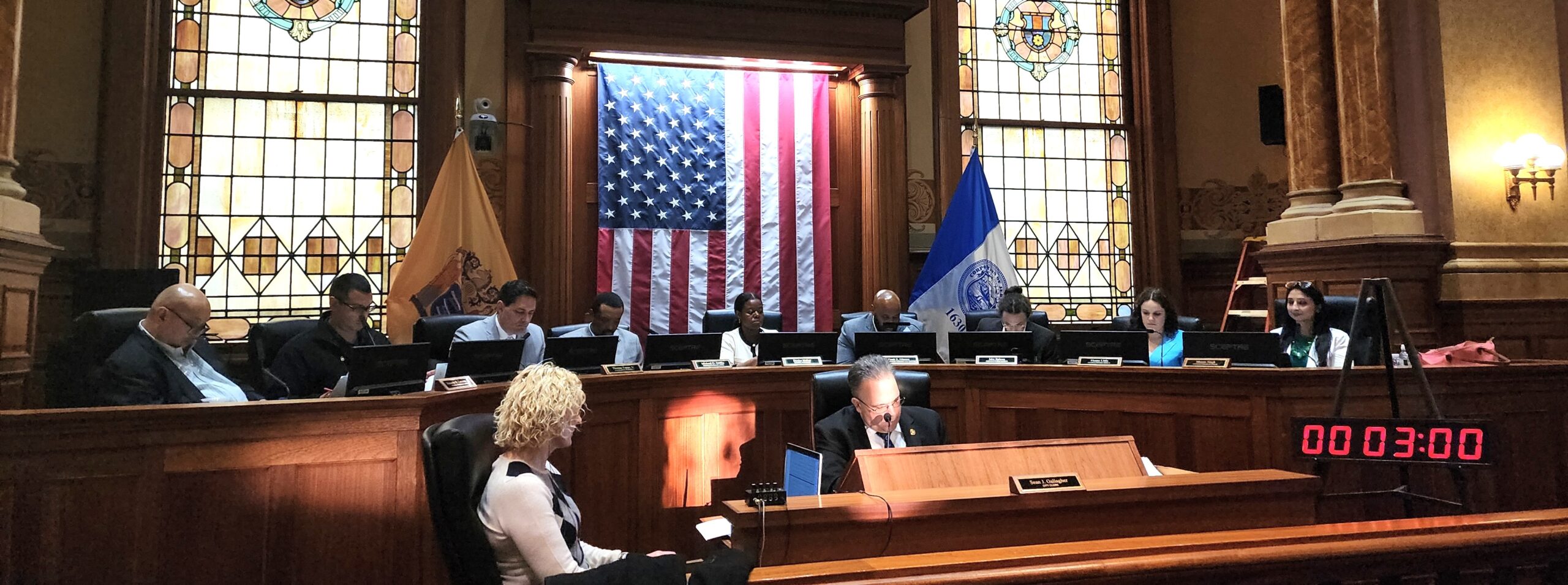
When people talk about cannabis regulation, the focus usually lands on state laws or big headline court battles. But the real action often happens in quiet municipal hearings, where a handful of local officials decide who gets a permit or faces penalties.
Table of Contents
These sessions might not grab much attention, yet they’re where rules actually get interpreted and enforced right in the neighborhood.
If you want to understand how cannabis businesses succeed or struggle, looking closely at these local hearings is where the real story unfolds.
How Local Hearings Shape Cannabis Outcomes
For cannabis operators in New Jersey, the decisions that matter most often come from those local meetings where city officials deliberate over applications, infractions, and day-to-day realities.


It’s here that city councils and committees decide who gets a license, who faces a penalty for a minor violation, or whether a retail location is approved on a particular street.
The outcome of these hearings can make or break a business. Sometimes, a permit gets granted or denied simply because of a single testimony, a neighborhood concern, or a local interpretation of state rules.
They set precedents that other applicants will be judged against for years. Operators learn quickly that what happens in one hearing room can ripple throughout the local industry.
As these hearings unfold, it’s not uncommon for business owners to borrow arguments from other regulatory spaces. For example, some try to draw comparisons to the flexibility seen in areas like offshore crypto betting sites to advocate for less rigid interpretations.


Such references highlight an ongoing tug-of-war between strict compliance and the creative strategies operators use to navigate constantly shifting rules.
Every negotiation, every uncertain pause, reveals that these municipal hearings are anything but a formality—they’re the main stage where the direction of New Jersey’s cannabis industry is decided, one decision at a time.
Fairness and Oversight
It’s no surprise, then, that questions around fairness and consistency have started to bubble up. As these local hearings take on more weight, people are beginning to wonder how decisions are actually being made behind the scenes.
Without protections, the process can feel unpredictable. Who gets approved, who gets denied, or who ends up facing sanctions? These outcomes can hinge on procedures that aren’t always transparent or evenly applied. That uncertainty can be frustrating not just for applicants, but for anyone watching the system from the outside.
When reports like the California cannabis audit are published, they don’t just point out weak spots—they also push local governments to step up their oversight. These external reviews can shine a light on gaps and encourage municipalities to make real improvements, but they also remind everyone how much work is left to do.
Local Enforcement Actions and the Ripple Effect
After audits highlight areas that need improvement, the real impact shows up in the decisions made at municipal hearings. These local choices don’t just affect the business owners standing before the council—they ripple out, shaping how entire communities view and experience legal cannabis.
The aftershocks of these hearings reach local economies, too. When enforcement is strict, it can reshape how businesses operate and how neighborhoods perceive the legitimacy of the cannabis market. Residents might feel reassured. Or they might worry about the direction things are headed.
In New Jersey, towns like Red Bank have witnessed firsthand how municipal decisions can shape what responsible regulation looks like on the ground. For anyone following developments, the Red Bank cannabis review shows how local hearings can set fresh precedents that quickly get noticed across the state.


When a town chooses to be more flexible or clamp down, that single session can influence how other communities, and state lawmakers think about policy. It’s a reminder that the path forward for cannabis isn’t just about what’s written into law, but how those laws are enforced, interpreted, and lived out at the street level.
How Local Hearings Inform State Cannabis Policy
Those local decisions and the ripples they create don’t just stop at town borders. They often set the tone for what state policymakers debate next, influencing everything from licensing rules to enforcement priorities.
When New Jersey towns tighten rules in response to community concerns or, on the flip side, adopt more flexible approaches, these actions become reference points for other municipalities wrestling with similar issues. Over time, a pattern emerges.
This bottom-up influence means state policy is constantly shaped by the lived experiences of local hearings. State officials regularly find themselves re-evaluating statutes and guidance to keep up with the practical realities unfolding in neighborhoods and business districts.


The push and pull between statewide consistency and local flexibility is likely to continue. For operators, advocates, and residents alike, watching what happens inside these municipal hearings is one of the best ways to anticipate where cannabis policy is heading next.
Where New Jersey’s cannabis future will be decided next
Every new round of licensing or enforcement brings questions about fairness, access, and who truly benefits from legal cannabis. The details debated in municipal chambers are where real shifts happen, not just in state capitals.
Recent decisions in places like Edison have set notable precedents, showing how one town’s choice can ripple outward and drive change statewide. For example, the Edison cannabis ordinance illustrates how local leadership can shape opportunity and policy for years to come.
Looking ahead, the future of cannabis in New Jersey will be built in these town-by-town debates, where policy becomes practice and every hearing helps define the next chapter.