




It is an interesting moment to be building a cannabis rosin manufacturing factory in Montclair in Essex County in North Jersey. More product chasing scarcer shelf space, at a lower price, is a hard business to be small in.
TLEHL, Inc. holds an annual New Jersey manufacturer microbusiness license, converted from its conditional license in January 2024. Founder Ray “Dab” Riga is currently the only employee. His plan is to compete not on volume, but on the cost of making the products.
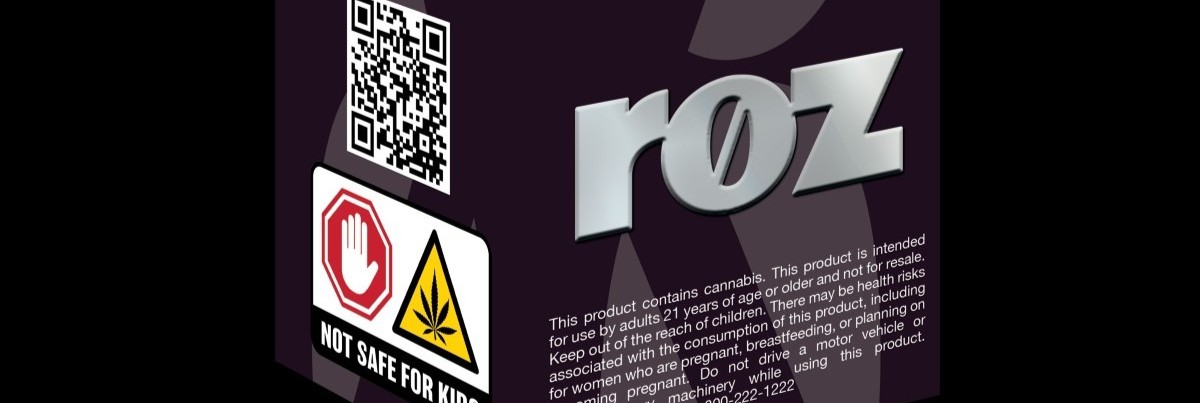
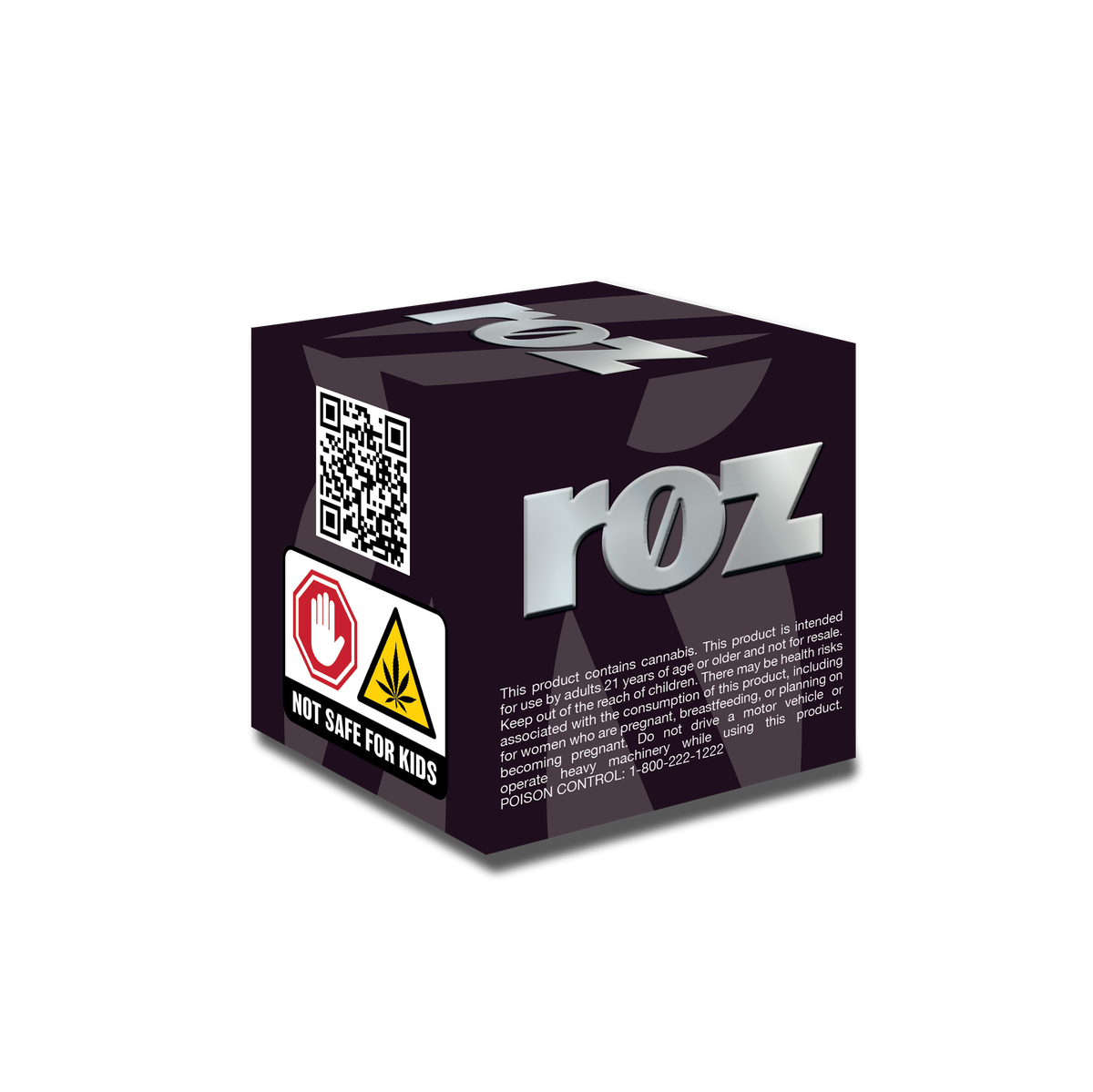
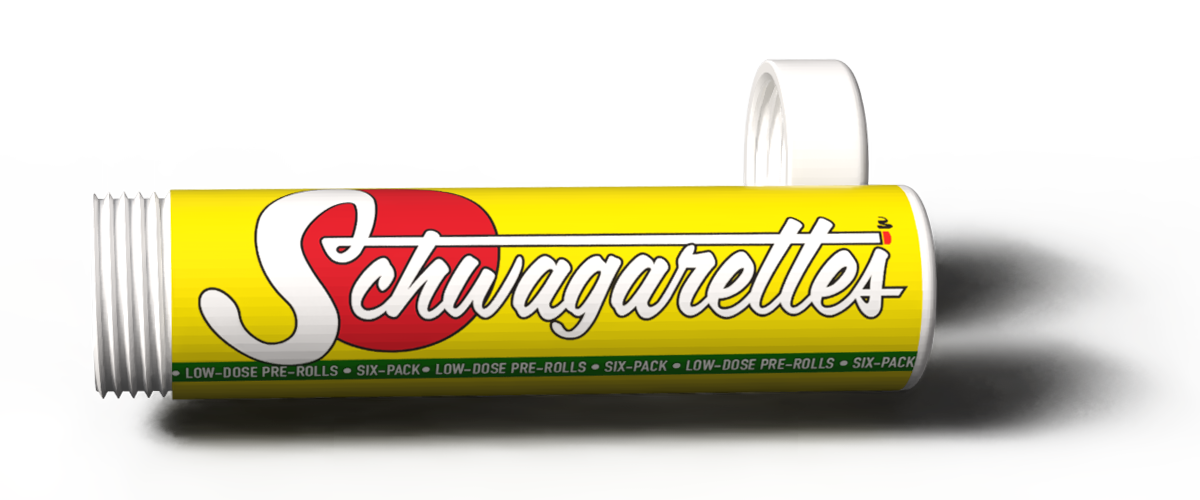
TLEHL’s flagship line, R0Z, is a “Devoted to Solventless” rosin brand. Schwagarettes is their low-dose pre-roll line aimed at casual and first-time buyers. Federal trademark applications have been filed on both brands.
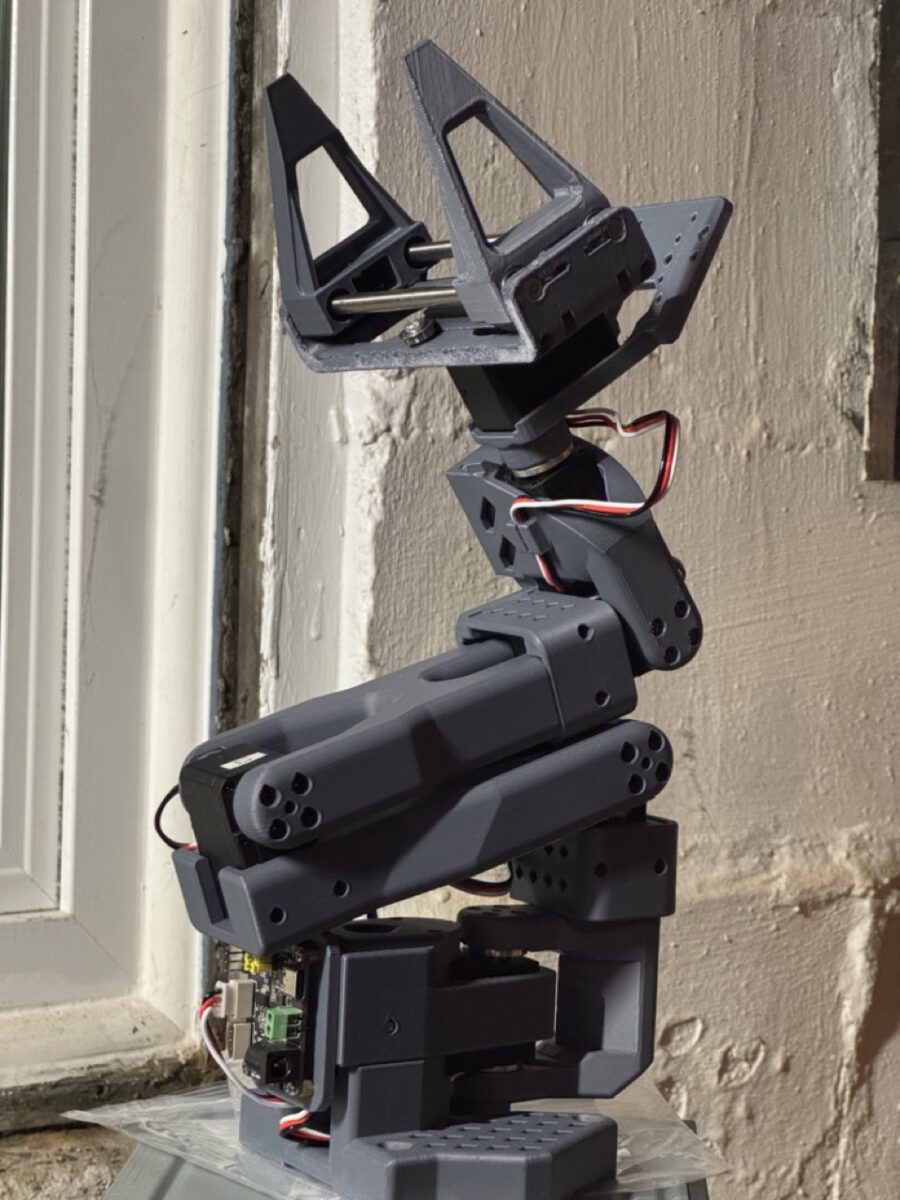
The part that is unusual is how Riga intends to make them. Over the past year, he has built a prototype industrial robot in-house, working from an open-source design and using 3D-printed parts and off-the-shelf servo actuators rather than a six-figure turnkey system.


The intention is a lights-out production line running around the clock. They plan to use real-time equipment monitoring that manufacturing operators in other regulated industries take for granted. It will all be maintained in-house by a technically inclined team.
Riga’s background is in systems administration, IT management, and data engineering in other regulated industries, not cannabis operations. He describes the plant as a Toyota Production System build, with Lean Six Sigma discipline applied from the first batch rather than retrofitted later.
“In every other CPG (Consumer Packaged Good) industry, robotic automation is the norm. It should not be the exception in cannabis either. It is the path to competitive margins,” Riga argued.
The other half of the plan is stranger still for the category. TLEHL intends to operate as an employee-owned company through an Employee Stock Ownership Plan (ESOP)


Riga calls it workplace democracy built into how the plant runs. So it will be alongside onboarding and upskilling systems designed around automation rather than in spite of it.
He argued that a factory where the workforce has no stake in the machinery is a factory that quietly fights the machinery.
“Robotic automation does not have to replace jobs. Rather, it may be the only way to ensure durable jobs in an increasingly competitive space while providing especially clear work instructions and standard operating procedures,” Riga said.
It is fair to note how much of this is still ahead of the company. The robot is a prototype, not a production line.
The company is pre-revenue. Its facility in downtown Montclair is partially built out, with mechanical, electrical, plumbing, and low-voltage work still ahead before it can operate as a GMP-compliant plant.
They are raising capital now, structured as a minimum-maximum round held in escrow. That means nothing closes unless the minimum is met. New Jersey’s cannabis manufacturing ranks are already crowded with licensed operators who have not yet scaled. In addition, a microbusiness license limits the footprint a company can grow into.
Riga is candid about the gap between the plan and the plant. The buildout is the constraint, he says, and the automation is what makes the buildout worth finishing.
Notably, TLEHL is sponsoring the dab bar of Heady NJ Presents A Business Get Together on Friday, November 6th!