





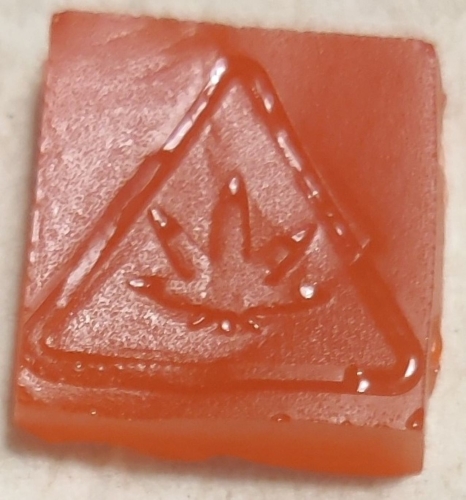
Two gummies can contain the same amount of CBD yet have very different formulations. One might pair CBD with CBG in equal quantities. Another might combine CBD with a smaller amount of CBN. The flavors could even be identical, but their cannabinoid profiles tell different stories.
As hemp-derived CBD gummies become more varied, understanding cannabinoid combinations is becoming just as useful as checking a product’s flavor or serving size.
Cannabinoid Blends Have a Place in New Jersey
Interest in combining cannabinoids isn’t new to New Jersey. Hemp producers have been exploring for some with many products on the shelves.
These formulations give adults more ways to compare gummies beyond their flavor or CBD strength. Different combinations can have distinct cannabinoid profiles, proportions, and intended uses, beginning with the individual ingredients.

CBD, CBG and CBN: What Makes Them Different?
Three cannabinoids are attracting particular attention in modern gummy formulations:
- CBD (cannabidiol): One of the most extensively researched non-intoxicating cannabinoids, CBD is commonly used as the foundation of hemp-derived gummies. It continues to attract scientific interest for its interactions with the body’s regulatory systems, although medication interactions and side effects remain important considerations.
- CBG (cannabigerol): Researchers are investigating CBG’s potential relationship with stress, mood, and cognitive function. A 2024 placebo-controlled study involving 34 adults reported reductions in anxiety and stress ratings following a 20 mg dose, offering encouraging findings for further research.
- CBN (cannabinol): Often associated with evening routines, CBN has attracted growing interest due to effectiveness in helping people sleep. A controlled clinical study found fewer nighttime awakenings among participants taking 20 mg of CBN. The cannabinoid also appears in products such as CBD and CBN gummies, which combine both compounds in one formulation.
These findings are helping researchers understand the individual properties of cannabinoids, while providing new directions for investigating how different combinations behave.
Why a 1:1 Ratio Doesn’t Tell the Whole Story
A ratio shows the proportions of two cannabinoids, not their total quantities. One CBD-to-CBG gummy might contain 5 milligrams of each compound, while another contains 20 milligrams of each. Both have a 1:1 ratio, despite delivering substantially different amounts.

For example, CBD and CBG gummies containing 10 milligrams of each cannabinoid per piece demonstrate how equal proportions can be incorporated into a measured edible format. Other formulations use different ratios depending on their ingredients and intended design.
Consumers should therefore consider both the ratio and the individual milligram quantities, checking whether the amounts refer to one gummy, a serving, or the entire container.
Flavor and Formulation Have to Work Together
Hemp extracts can introduce earthy or bitter notes, prompting manufacturers to experiment with sour coatings, fruit blends, and dessert-inspired flavors. However, achieving an enjoyable taste is only one part of developing a successful gummy.
Gelatin and pectin create different textures, while moisture and temperature influence firmness and shelf stability. Manufacturers must also distribute cannabinoids evenly throughout each batch so individual gummies contain amounts close to those declared on the label.
Good flavor matters, but so does consistency from one piece to the next.
Four Details Worth Checking on a Gummy Label
Beyond flavor and cannabinoid ratios, several details help consumers compare products:
- Cannabinoid quantities: Look for CBD, CBG, and CBN amounts listed individually, with clear milligram information.
- Serving size: Check whether the stated strength applies to one gummy, several pieces, or the entire package.
- Third-party testing: A Certificate of Analysis (COA) can verify cannabinoid content and report contaminant screening. Ideally, the batch number should match the product.
- Ingredients and storage: Review allergens, expiration dates, and instructions for keeping gummies securely stored away from children and pets.
Together, these details provide a clearer picture of the product than packaging descriptions alone.


Understanding New Jersey’s Changing Hemp Rules
New Jersey revised its hemp regulations in April 2026, introducing updated distinctions between hemp-derived products and those subject to the state’s regulated cannabis framework.
The rules also restrict online sales and distribution of hemp-derived products, meaning an out-of-state product listing does not necessarily establish that delivery into New Jersey is permitted.
The New Jersey Cannabis Regulatory Commission provides guidance on product classification and applicable requirements.
Looking Beyond a Single Cannabinoid
CBG and CBN are giving manufacturers new ways to build on familiar CBD formulations, from equal-ratio gummies to blends with different cannabinoid proportions. As research develops, understanding these ingredients and their quantities will help consumers appreciate what distinguishes one formulation from another.


Nonprescription CBD gummies are not FDA-approved medicines and are not intended to diagnose, treat, cure, or prevent disease.