




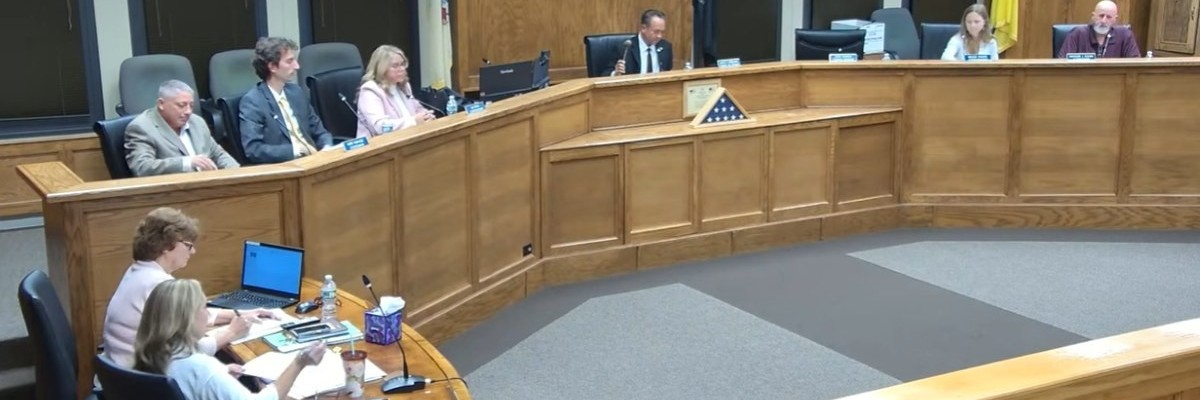
The Brick Township Council voted to consider allowing one cannabis dispensary within its limits on the Jersey Shore.
Table of Contents
This is notable since there are not many cannabis dispensaries along the Jersey Shore.
Brick Cannabis Debate
The ordinance, which passed with a 6 – 1 vote, dictated that one dispensary would be allowed to operate within the township. However, certain restrictions would be put in place in an effort to best ensure public safety.


As the standout opposition vote, Councilman Gregory Cohen attempted to justify his position by noting concerns about potential safety implications of recreational marijuana sales to the township. He was also wary of its federal status as a prohibited substance.
“To start with, it’s pretty ironic that we just authorized a shared service agreement with Ocean County for drug recognition experts on a callout program and we are now going to allow cannabis to be freely sold in our township,” Cohen said, according to a report from Star News Group.
“As a conservative Republican who believes in upholding federal law, I cannot support an ordinance that openly disregards federal prohibition,” he added.
Councilwoman Lisa Reina, a supporter of the initiative, cited the 2020 referendum vote. She also cited an additional survey she conducted to gauge her constituents’ perspective on the matter.


“Most importantly, as your elected representative, and because what you think is critically important, I conducted a sample survey knocking on more than 300 doors,” Reina explained.
She argued that her results resembled the 2020 election results, with over 60% of responses supporting the dispensary initiative. Only 23% were actively opposing the proposal.
Reina added she conducted intensive research prior to her decision. That included consulting with the New Jersey Cannabis Regulatory Commission and various Ocean County officials.
Potential Jersey Shore Dispensary Details
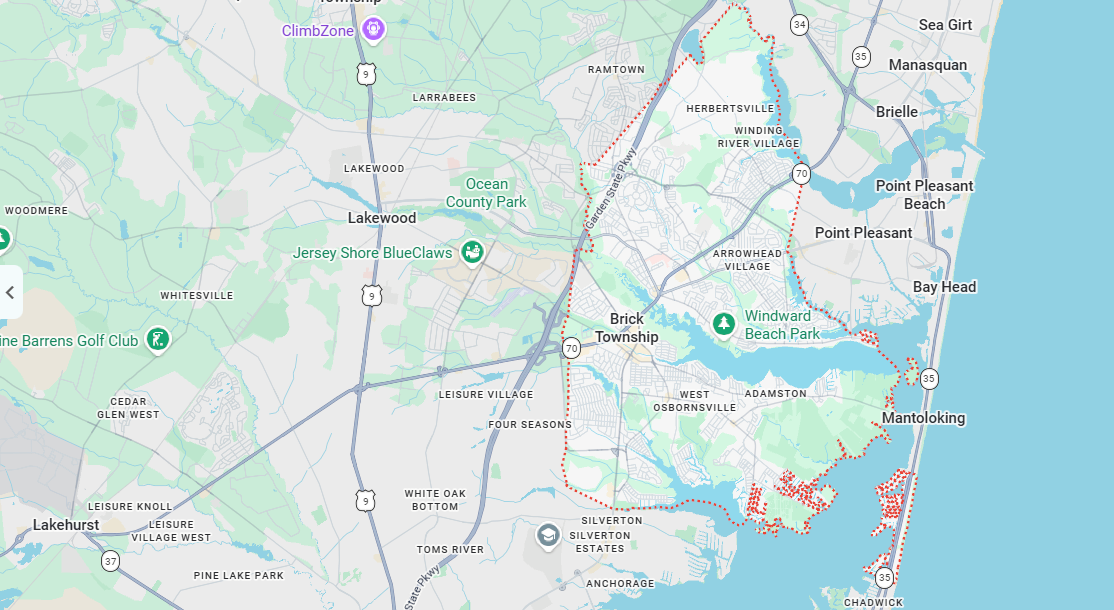
The dispensary would only be allowed to operate within the town’s B-3 Highway Development or H-S Hospital Support Zone. Also, it would only be allowed to operate between 9 AM- 9 PM. Plus, they could not open within 300 or 1,000 feet of any schools, daycares, houses of worship, or residential zones.
It also has to include security cameras, an alarm system, at least one armed guard during business hours, and a safe for cash storage purposes.
Sales would be limited to individuals above 21 years of age, and Consumption would be banned anywhere on the premises, including inside cars parked on the property.
From a financial perspective, the proposal sets initial licensing fees at $10,000 in addition to a $5,000 annual renewal fee. A 2% local cannabis sales tax would be enacted, with revenue being put into a dedicated account aimed at offsetting property taxes.
The decision will now be put up to a final council vote on October 27th at 7 PM at Brick Township Town Hall. It will be accompanied by a public hearing where citizens will be given the opportunity to attend and have their voices heard regarding the issue.


Brick and Cannabis
To do so, they would lift their five-year ban on the sale of recreational marijuana passed back in 2021 following the legalization of adult-use cannabis in New Jersey.
If enacted, Brick would be one of the first NJ shore municipalities to allow dispensaries within its operational limits.
Following its statewide legalization as Public Question No. 1 in the 2020 general election, local municipalities were given a 180-day window with which to pass their own legislation regarding the sale of marijuana-based products.
In April 2021, the council voted unanimously to ban the sale, distribution, or manufacturing of the substance for five years. This move came after a contentious meeting in March 2019, where a similar ban on recreational marijuana products was enacted following a scrapped proposal to open a medical dispensary on Adamston Road.


The 2021 ban was enacted despite the majority of Brick residents favoring the 2020 ballot initiative to legalize recreational marijuana at the state level.
Federal Issues and Cannabis
It is important to note that recreational marijuana products remain categorized under a Schedule I classification at the federal level. Schedule I drugs have been described by the Drug Enforcement Agency (DEA) as “drugs with no currently accepted medical use and a high potential for abuse”.
However, there has been some talk of progress all year. The US Department of Justice issued an order in April reclassifying medical marijuana-based drug products approved by the FDA under Schedule III.
The DEA described Schedule III drugs as “[substances] with a low potential for physical and psychological dependence.”
This classification also includes drugs such as anabolic steroids and testosterone.