




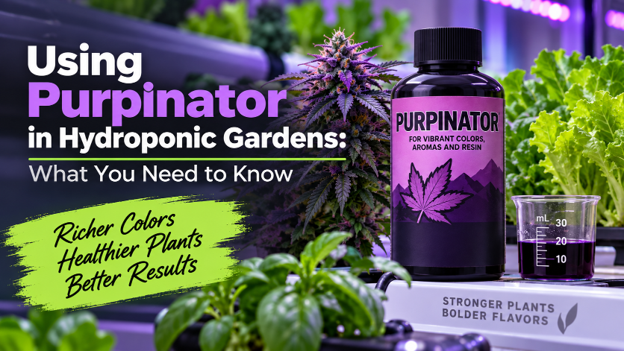
You have probably heard of Purpinator if you have spent any time in a hydroponic grow room looking for plants with richer aromas and deeper colors. Purpinator was created to improve the color in cultivars with purple phenotypes and the production of terpenes, trichomes, and resin. It also addressed the additional nutrient needs for plant processes.
However, like any specialty nutrient, getting the best results from Purpinator requires understanding what it does and how it works with your existing feed program. Whether you are growing fruits, vegetables, herbs, or flowers, understanding how this supplement works can help you decide whether it fits into your hydroponic setup.
What Is Purpinator?
Purpinator is a plant supplement designed to provide plants with the nutrients they need to produce colors and other natural compounds. It contains ingredients that support the metabolic processes involved in color, smell, and general plant health.
Purpinator is designed to support an existing feeding program. It is usually added throughout multiple stages of plant growth to support plant development without replacing necessary nutrients.


How to Introduce Purpinator Into Your Hydroponic Garden?
Here are 3 ways you can introduce Purpinator into your hydroponic garden:
1. Compatibility With Existing Nutrient Programs
This additive is designed to be added to any existing primary nutrient program, which is one of its best features. It is compatible with hydroponic reservoirs, soil, and soilless media like coco coir.
In addition, it works with General Hydroponics lines and other fertilizer programs. So you don’t need to redesign your setup completely.
2. Dosage by Growth Stage
The dosage usually increases when the plant progresses from vegetative to flowering growth:

- Vegetative stage (weeks 1–4): roughly 2–5 mL per gallon of water
- Early-to-mid bloom (bloom weeks 1–5): roughly 6–15 mL per gallon
- Late bloom through ripening (bloom week 6 onward): roughly 20–30 mL per gallon
Since concentrations increase significantly heading into late flower, many growers keep a general hydroponics propinator feed schedule on hand to track weekly transitions without guessing the ratio.
3. Feeding Frequency
Every time you water or feed, you can add a purpinator. In particular, growers using deep water culture systems should:
- Refresh the reservoir every 3-6 days.
- Keep the reservoir well-conditioned while the additive is being used.
- Do not use it as a foliar spray because it is designed for root uptake.
Keep the feeding frequency consistent as per the requirements for better results.
How Does Purpinator Work in Hydroponic Systems?
● Nutrient Availability and Uptake
Hydroponics delivers nutrients straight to plant roots using a water-based solution. Purpinator dissolves easily in water, making its components easily accessible to plants. This immediate availability ensures plants can use the supplement without experiencing a major nutrient loss throughout their growth cycle.
● Support for Pigment Production
Purpinator is commonly used to support the organic processes for plant pigmentation development. Pigments help in the coloration of leaves, flowers, fruits, and other plant tissues. The supplement could help plants better display their natural colors when combined with the proper lighting, genetics, and conditions.
● Enhancing Metabolic Activity
Plants need complex metabolic processes to convert nutrients into vital components and energy. Purpinator provides nutrients that improve overall plant life by participating in biological processes. Healthy metabolic activity is especially important during times of rapid growth and development.
● Supporting Flowering and Fruiting Performance
Plants usually need extra nutritional support during the flowering and fruiting stage. Purpinator can be added to a hydroponic feeding program to provide extra base nutrients during these key stages. Consistent supplementation can help plants maintain healthy growth as they concentrate energy on flowers and fruits.
Common Mistakes to Avoid When Using Purpinator in Hydroponic Gardens
Even experienced hydroponics growers sometimes struggle with using Purpinator. Here are some common mistakes growers should avoid when using Purpinator in hydroponic gardens:


● Expecting Color Shifts in Any Strain
Assuming Purpinator will color any plant purple is the most common misunderstanding among growers. This trait depends on genetics. Thus, not every plant will become purple just by adding this substance. Anthocyanin expression is genetic. No additive will create a trait from scratch if a cultivar lacks it.
● Ignoring Environmental Factors
Nutrition alone does not determine pigment expression. The amount of visible anthocyanin synthesis during late flowering is largely influenced by decreasing nighttime temperatures as well as light spectrum and intensity. Growers desiring deep purple colors often get better results by combining the chemical with somewhat lower nighttime temperatures in the final weeks.
● Ignoring Reservoir Maintenance
The product can crystallize in storage due to its concentrated formula. Skipping the step of shaking the bottle before use, or failing to keep it in a cool, dark storage area, can lead to inconsistent mixing and uneven feeding.
● Skipping Gradual Ramp-Up
Plants can experience unnecessary stress if late-bloom dosages are immediately given without steadily increasing concentration during the vegetative and early flowering phases. Following the tiered dosage schedule helps plants adjust smoothly rather than experiencing a sudden nutrient spike.


The Bottom Line!
Purpinator can be a valuable addition to a hydroponic grower’s toolkit looking to improve cultivation practices and improve plant quality throughout the growing cycle. Its ease of use, compatibility with different hydroponic systems, and flexibility to integrate into existing nutrition programs make it a popular option for both beginner and experienced growers. Its true value lies in how it is added to an existing nutrient regimen, properly dosed during each growth stage, and combined with favorable environmental conditions.