





You made it through the day, but your mind is still buzzing. Relaxing doesn’t need to be fancy or time-consuming. Small steps you can repeat most nights can calm your body and help your brain slow down.
Reset Your Breath Quickly
Breathing is the fastest way to tell your nervous system that you are safe. Sit upright, soften your shoulders, and try a simple ratio breath for 2 to 4 minutes. Keep it gentle so you do not feel lightheaded.
A recent study reported that the 4-7-8 pattern improved sleep quality for participants, likely by easing arousal and tension. Inhale through your nose for 4 counts, hold for 7, and exhale through your mouth for 8. If that feels tough, shorten each phase but keep the longer exhale, which helps your body shift toward rest.
Make Your Wind-down Predictable
Your brain loves patterns. A short nightly routine teaches you that rest is coming, so you start to relax sooner. Keep it simple and repeatable. So:


- Dim lamps and turn off overhead lights
- Do 5 minutes of light tidying to close the workday loop
- Sip water or herbal tea while you read a few pages
- Set out tomorrow’s outfit to cut morning stress
If you miss a step, it’s fine. Pick it up the next night and let the routine do the heavy lifting for you.
Try CBD Mindfully
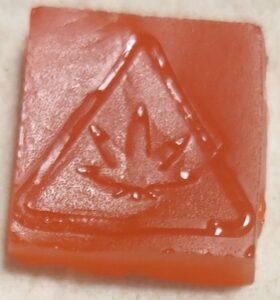
Some people find that hemp-derived CBD helps them feel less wired in the evening. The form you choose can change how quickly you notice effects. Options like CBD-infused edibles tend to feel slower and steadier than inhaled products. Start low, give it time, and keep notes so you can see what helps.
It’s also important to understand the current rules. The U.S. Food and Drug Administration has said that existing supplement and food frameworks are not a fit for CBD, and it is exploring a new path for regulating these products. That means labels can vary and quality may differ, so look for third-party testing and avoid mixing CBD with alcohol or other sleep aids unless a clinician says it is safe for you.


A quick safety checklist
• Know your local laws and age rules
• Check for potential drug interactions
• Choose products with recent lab reports
• Pause use if you notice side effects
Labels can vary and quality may differ. Thus, look for third-party testing and avoid mixing CBD with alcohol or other sleep aids.
Use Heat and Water
Warmth tells tight muscles to let go. A 10-minute shower or soak can take the edge off after a long day. Keep the water warm, not hot, so you do not feel drained afterward. When you step out, the slight drop in body temperature can cue sleepiness.


No tub at home? Try a warm foot bath or place a heating pad on your upper back while you read. Pair the heat with slow breathing to increase the benefits.
Loosen Your Body to Loosen Your Mind
Stress often hides in your jaw, neck, hips, and hands. A short release routine can help you feel present again. Spend one minute each on these areas and breathe slowly as you move.
Do gentle head circles, then shoulder rolls. Stretch your wrists and squeeze a soft ball to relax your grip. Sit or lie down and pull one knee to your chest, then switch. Finish with 8 to 10 easy cat-cow movements for your spine. Keep effort low. You are signalling calm, not training for a race.
If you like a little structure, set a 6-minute timer and move at a pace that feels kind. The goal is comfort, not intensity.


Shrink Your Phone Screen Time
Bright screens and endless feeds can keep your brain on high alert. Try a soft cutoff 60 to 90 minutes before bed. Place your phone in another room or out of reach. If you must use a device, lower the brightness and use reader mode.
You can swap scrolling for low-stimulation activities. Read a book, do a puzzle, journal 3 lines about the day, or listen to calm audio. The key is something easy and pleasant, so you look forward to it.
Make Food and Light Work for You
Late-night meals can leave you feeling sluggish and wired at the same time. Finish dinner a few hours before bedtime. If you are hungry later, choose a light snack with protein and fiber to keep your blood sugar steady.
Light is a powerful cue. In the evening, keep your space dim. Try to get outdoor light in your eyes within an hour of waking. This trains your body clock and makes winding down at night easier.
Pick one or two ideas and keep them simple. With practice, small habits become signals your body trusts, and the end of your day starts to feel like a soft landing.
(Picture above from https://unsplash.com/photos/person-on-brown-hammock-with-steel-base-across-body-of-water-v41a6J4Zrs4)