





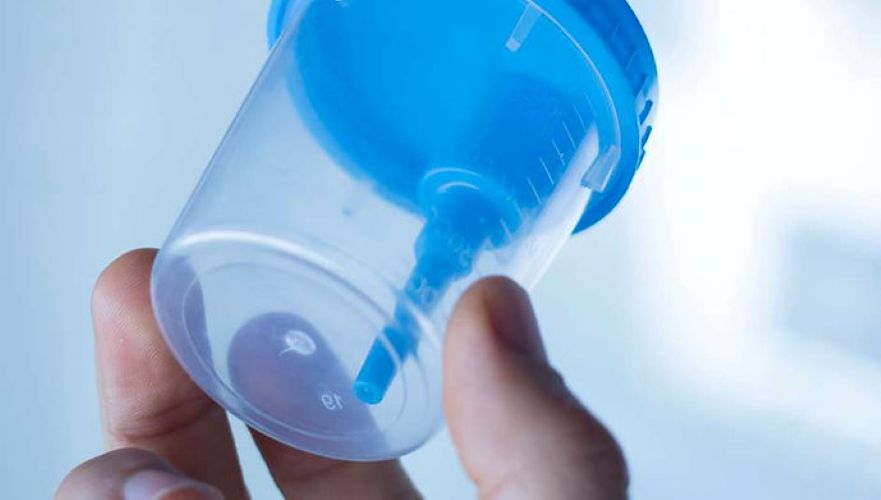
A New Jersey job applicant has won her case after being denied a job after failing a drug test when cannabis was found in her system.
Table of Contents
A woman named Darlene Sanders was at the center of the case Sanders v. The Levari Group, LLC dealing with the issue.
Sanders applied for a customer service position with the company and was offered a position. But she was forced to take a drug test and failed after consuming cannabis within the last 30 days.
She said she was not high then at the time. They said she had to take another test. But because she could not afford to, they would not hire her, according to Ganjaprenuer.


So, Sanders decided to cite the Cannabis Regulatory Enforcement and Marijuana Modernization Act (CREAMMA). It implemented in the 2020 NJ cannabis legalization referendum. The law also included provisions for cannabis decriminalization and establishing an adult-use market.
The case was tried in the Superior Court of New Jersey Appellate Division in Cumberland County.
Sanders initially lost the first round but won an appeal.
Cannabis Drug Testing Job Applicant Issues
A three-panel Judge produced an opinion that “This case asks whether CREAMMA provides that individual a private right of action against the employer for allegedly violating these prohibitions.”

“…We conclude the answer is yes. We therefore reverse the orders dismissing plaintiff’s claims based on CREAMMA, negligence, invasion of privacy, and breach of contract, and remand for further proceedings,” they explained.
“…CREAMMA … includes anti-discrimination provisions protecting individuals who lawfully use cannabis…”
“No employer shall refuse to hire or employ any person or shall discharge from employment or take any adverse action against any employee … because that person does or does not smoke, vape, aerosolize[,] or otherwise use cannabis items…”
“….An employee shall not be subject to any adverse action by an employer solely due to the presence of cannabinoid metabolites in the employee’s bodily fluid….”
The opinion says employees “shall not be permitted to, when making an employment decision, rely solely on, or require any applicant to disclose or reveal, or take any adverse action against any applicant for employment solely on the basis of, any arrest, charge, conviction, or adjudication of delinquency” of certain enumerated marijuana-related offenses.
“Any employer who violates this prohibition is liable for a civil penalty…,” they added. “CREAMMA … provides the use of cannabis “shall not form the basis for refusal to . . . employ . . . that person.”
Setting A Legal Precedent for Cannabis Consumers?
According to the law firm, Seyfarth Shaw LLP, the opinion on the case set a significant legal precedent. They advised companies to seriously note it.
Attorney Joseph Vento wrote for Seyfarth Shaw that they believe the opinion gives the right to job applicants to sue prospective employers under CREAMMA if a drug test is said to be why they didn’t get a job.

“They may not refuse to hire, terminate. Or otherwise retaliate against an employee based solely on evidence of cannabis use,” the firm wrote.
They did note that “if an employee is found to be impaired or using cannabis while working, an employer can take an appropriate employment action.”
“No adverse action can be taken solely because an employee used cannabis recreationally during off-hours.
“An employer is required to support any adverse actions with both objective testing results and documented physical or behavioral indicators of impairment.”

Cannabis Drug Testing and Jobs
This has been a very significant problem for many cannabis consumers for years.
However, a bit of progress has been made on the issue in different ways.
In fact, the US Army started allowing cannabis consumers due to the ongoing War with Iran. Furthermore, Amazon changed its hiring policy in recent years as well. It’s likely because of how popular cannabis has become in this new legal era. In fact, now they are promoting how they are trying to change a law.
They might want a cut of the legal weed business. But that’s another story.