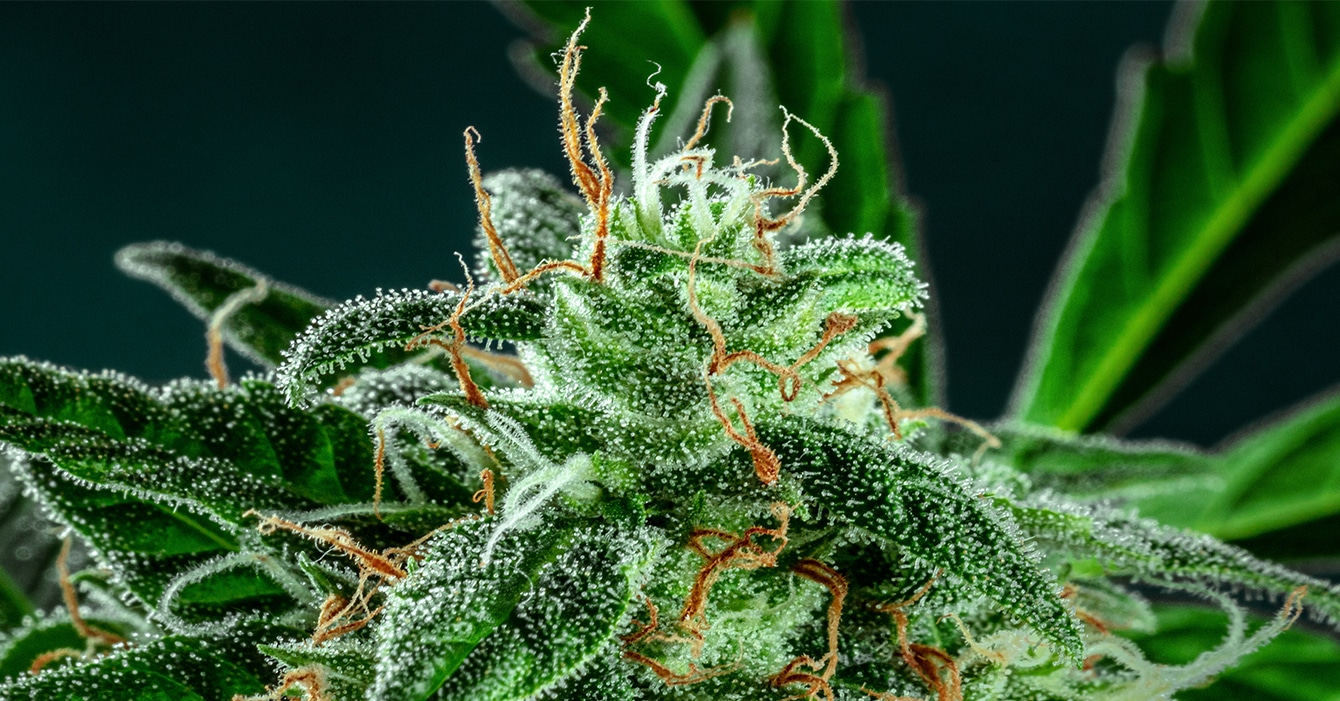





New Jersey’s cannabis market is growing quickly. But trust depends on what happens behind the scenes in testing labs before products reach dispensary shelves.
The three key signs of safer cannabis are accurate potency verification, rigorous contaminant screening, and consistent analytical testing methods.
As the local cannabis testing landscape matures, understanding these laboratory quality control indicators helps shoppers make informed choices.
State regulators strictly enforce mandatory testing to check for potency levels and harmful substances like pesticides and heavy metals.

By looking beyond marketing to verify how flower, vapes, and edibles are tested, consumers and operators can better navigate the expanding legal supply chain.
This transparency guarantees that the products sold to patients and recreational users meet high health standards.
1. Potency Numbers Match the Product
The number printed on a cannabis label is only as meaningful as the testing behind it. Potency testing is the laboratory process that chemically verifies cannabinoid content before a product can be sold. In New Jersey, the Cannabis Regulatory Commission (CRC) requires licensed testing labs to confirm their numbers for every product.
Executing this chemical analysis with precision requires specialized and highly calibrated instrumentation. To separate and quantify specific cannabinoids accurately without interference, professional facilities depend on robust chromatography workflows. Using reliable resources like Restek’s standardized lab equipment alongside other professional tools generates data that consistently reflects the actual physical product.


When potency testing is executed properly, a dispensary and its customers can trust the label. A newer consumer trying an edible for the first time is not caught off guard by something far stronger than advertised.
An underdosed product is a disappointment. But an overdosed product becomes a safety concern.
The stakes shift depending on the specific product category. Flower potency can vary naturally between harvests, which is why verified lab averages carry particular weight.
Manufactured goods like vape cartridges and craft edibles carry higher consumer expectations for dose-to-dose consistency. Dispensaries that partner with labs known for precise reporting maintain a distinct credibility advantage.
| Key Insight: Accurate potency isn’t just about value; it’s about safety. Verified lab data prevents unexpected psychoactive effects, ensuring that new users and medical patients can dose with complete confidence every time. |
2. Labs Screen for Harmful Contaminants
While potency dictates how strong a product is, contaminant screening verifies whether it is clean enough to consume in the first place.
Cannabis plants are natural bio accumulators. They readily absorb what they are grown in or exposed to during cultivation. Without thorough screening, trace levels of pesticides or heavy metals can travel from the cultivation floor to a finished product entirely undetected.
New Jersey mandates contaminant testing for all licensed cannabis products to ensure comprehensive safety. Regulators mandate thorough examination for microbiological impurities, pathogens, allowed inactive ingredients, and stability. However, the depth and reliability of that screening often depend on a lab’s individual capabilities and internal standards.
Pesticide screening remains a vital component of consumer protection across all product categories. Even products marketed as clean or grown without synthetic inputs require verified chemical data.


For flower and pre-rolls, where the raw material is inhaled directly into the lungs, passing these contaminant screenings is absolutely non-negotiable.
Residual solvents present a different challenge for concentrates and live resin vapes. These items are manufactured using chemical extraction processes that utilize solvents like butane or ethanol to isolate cannabinoids from raw plant material. Responsible producers and analytical labs verify those solvents have been purged to safe levels before distribution.
Edibles require equally strict attention because they are frequently purchased by newer or occasional users seeking an approachable format. They’re consumed orally and often shared in social settings. So contaminant-free production is a baseline expectation. Laboratories that push beyond minimum regulatory requirements signal a meaningful commitment to public health.
| Important: Cannabis is a bio accumulator that absorbs heavy metals and pesticides from its environment. Always verify that inhaled products, like flower and vapes, have passed rigorous screenings for residual solvents and agricultural chemicals. |
3. Labs Produce Consistently Reliable Results
Knowing what a lab tests for is important. But knowing that a facility tests the same way every single time is vital. Consistency and repeatability in analytical methods separate a trustworthy testing operation from one that simply gets the numbers right on occasion. Reproducible results mean the same sample, tested twice, returns the identical answer without statistical anomalies.

When regulators review a lab’s findings or a dispensary accepts a new certificate of analysis, the numbers must represent a reliable measurement. Operating a facility requires rigorous. So labs must obtain ISO 17025 accreditation to be legally certified. This ensures the analytical data generated can be compared to the data from last month.
Analytical instruments operate on the same principle, requiring constant calibration and standardization. Keeping them running clean and functioning ensures results remain trustworthy across time and different operators.
Achieving this level of consistency requires professional-grade chromatography columns and standardized sample preparation tools. When a lab’s foundational separation tools perform flawlessly, precise chemical measurements are far easier to stand behind.
If an unexpected contaminant surfaces in a batch, a lab utilizing well-validated workflows can identify the anomaly quickly. As the regional testing industry matures, laboratories investing in proven analytical workflows are building long-term reputations.
These consistent facilities earn the regulatory confidence required for the legal market to function credibly. Ultimately, strict adherence to standardized methods protects the broader supply chain from compromised products.
The Bottom Line
Accurate potency verification, rigorous contaminant screening, and consistent analytical methods form an interconnected system for product safety. A lab that fails to screen for harmful chemicals is not fulfilling its mandate.
The benefits of advanced testing standards ripple outward through the entire supply chain. Cultivators producing clean, premium flower deserve data that reflects their agricultural diligence accurately.
Dispensaries staking their business reputations on their inventory deserve absolute confidence that the certificates of analysis on their shelves are factually sound.
The everyday consumer deserves assurance that the regulated market functions exactly as intended.
| Author Profile: Restek is a specialized manufacturer and supplier of chromatography consumables and analytical testing solutions, operating since 1985. |
Image from Restek