




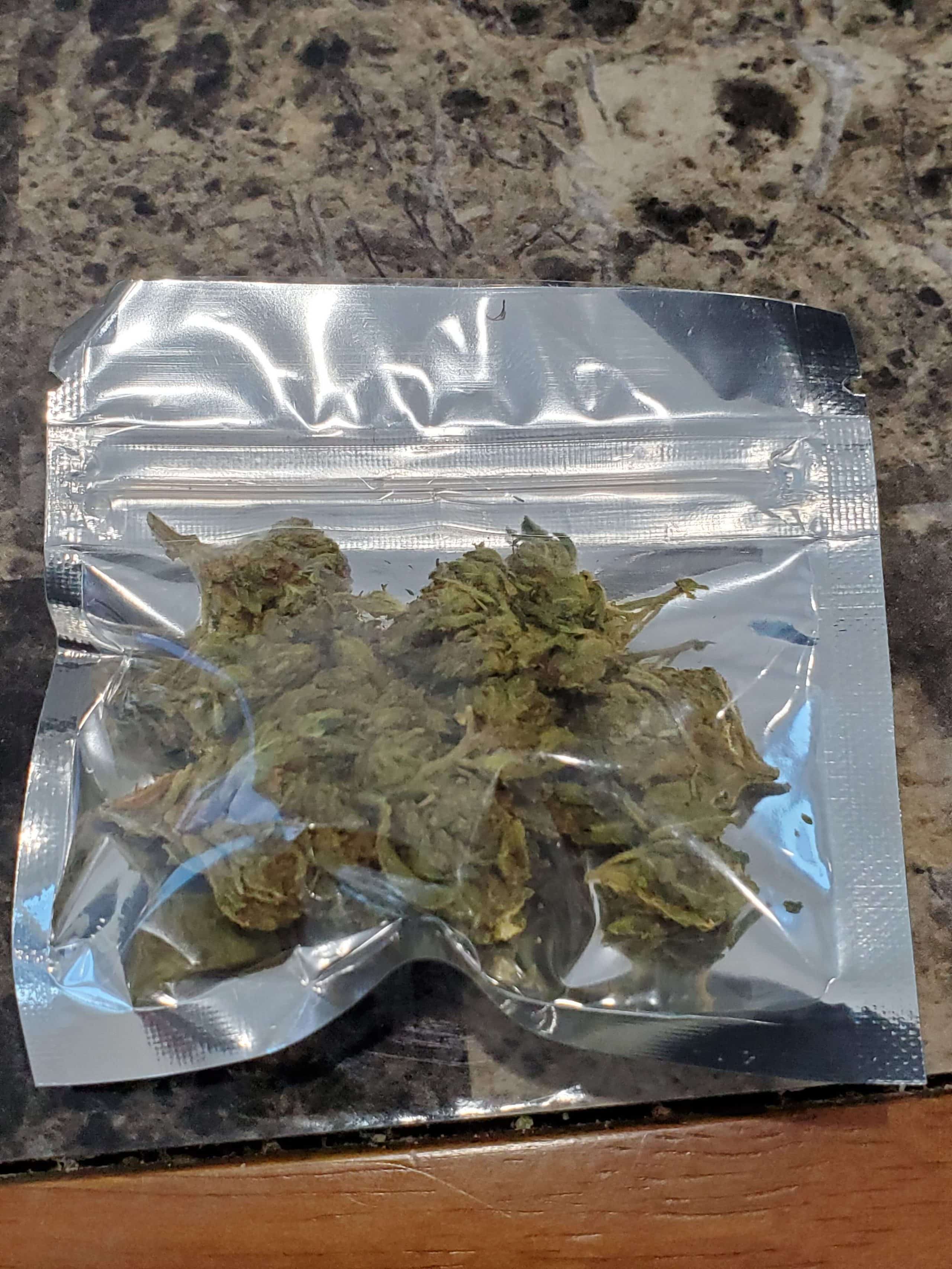
If you’ve scrolled past a jar of frosty, dispensary-looking flower being sold as “hemp” and thought, “Wait, that’s not CBD,” you’re not exactly wrong. It’s exotic THCa flower.
Table of Contents
That’s THCa, and it’s the reason an entire industry has been operating in the gap between two federal definitions of the same plant.
For a while, “hemp” was an industry shorthand for underwhelming CBD flower that smelled the part but didn’t do much. Then jars of loud, unmistakably dispensary-grade flower started showing up in mailboxes nationwide. Still labeled hemp with a straight face.

That’s the moment things got legally interesting. And where THCa entered the chat. It’s not a scam, and it’s not fake weed. It’s cannabis, moving through hemp’s back door because of one narrow chemical technicality. Without skipping the legal bit, we’ll explain how to purchase a pound of exotic THCa online.
But first…
What Is THCa?
THCa (tetrahydrocannabinolic acid) is the naturally occurring, unheated precursor to THC.
Every cannabis plant makes it. Left alone, it’s non-intoxicating. The moment it’s smoked, vaped, or baked, heat triggers decarboxylation. That process converts much of the THCa into standard, very-much-intoxicating THC.

Yep, one chemical detail is the whole ballgame. It’s why a product can legally test as “hemp” on paper and get you high in practice. The test measures the flower when it is cold. You’re never going to smoke it cold.
Where to Buy Exotic THCa Flower Online
THCA flower is not treated the same way everywhere, and buying online does not magically make state law disappear. Keep this in mind when shopping online.
Quantity Over Quantity
Technically, a pound of weed should be 16 ounces. However, 16 ounces of premium THCa flower is not a jar’s worth. It’s closer to a small shoebox packed with bud.
Quality is of the essence. Quality exotic THCa flower has high potency (25–40% THCa), dense trichome coverage, and complex terpene profiles.
Chunky Academy has quickly become one of the most reliable sources online to purchase up to a full pound of potent, lab-tested THCa flower.
The COA Is the Whole Product
Strain names and potency percentages are marketing. The Certificate of Analysis (COA) is the product.
A trustworthy COA is batch-specific, recent, and covers more than potency. Pesticides, heavy metals, mold, and microbials all belong to it too.
A brand unwilling to show lab results is telling you everything you need to know.


Big Numbers Aren’t Everything
A flower boasting 30% THCa isn’t automatically better than one testing at 22%.
Cure, terpene content, and growing conditions shape the smoking experience. “Exotic” should describe genetics and craftsmanship, not a lab number on a jar. These strains are highly potent, are grown indoors, and bred to contain high levels of THCa.
Customers frequently reach for strains like Glitter Bomb Gelato, Grape Gasoline, and Jolly Rancher Runtz in half pounds and full pounds from Chunky Academy.
The 0.3% Loophole
The 2018 Farm Bill defined legal hemp as cannabis containing no more than 0.3% Delta-9 THC by dry weight, measuring only Delta-9, not THCa.

Growers realized they could breed flower packed with THCa (sometimes 20–28%) while keeping Delta-9 under that threshold. They’re producing something that looks, smells, and smokes like dispensary weed, and shipping under hemp rules to states where recreational cannabis is otherwise illegal.
Phoenix Magazine and OutSFL have both tracked how quickly this “loophole” scaled into a genuine national market.
FAQs
Is THCa flower the same as marijuana?
Botanically, yes. It’s the same plant species, Cannabis sativa L. The difference is entirely legal, based on how much Delta-9 THC is present before the flower is heated.
Will THCa show up on a drug test?
Yes. Once heated, THCa converts to Delta-9 THC, and standard drug tests aren’t sophisticated enough to distinguish “technically hemp” from “technically weed.”
Is THCa flower legal in my state?
It depends, and it’s changing fast. Some states allow it outright, some restrict smokable hemp entirely, and several have already banned retail sale ahead of the federal deadline.
What happens after November 12, 2026?
The federal government switches to a total-THC standard that counts THCa toward the same 0.3% cap as Delta-9, closing the loophole that makes high-potency THCa flower legal to sell.
THCa at a Glance
| Metric | Detail |
| Typical THCa potency range | 20–28% in quality flower |
| Legal Delta-9 THC threshold (2018 Farm Bill) | Less than 0.3% by dry weight |
| New total-THC formula | Delta-9 THC + (THCa × 0.877) |
| New per-container THC cap | 0.4 mg total THC |
The THCa gray area has an expiration date. Congress closed it through Section 781 of the Continuing Appropriations Act, signed in November 2025, which redefines hemp using a total-THC formula (Delta-9 THC plus THCa) instead of Delta-9 alone.
Starting November 12, 2026, that redefinition takes effect, capping consumable hemp products at 0.4 mg of total THC per container.
Several states, including Texas and Tennessee, have already moved on retail bans ahead of the federal deadline. Enforcement patterns vary widely state to state, so “legal” is a moving target depending on your zip code.
Expect the market to shrink or move heavily toward licensed dispensaries in legal-cannabis states.