





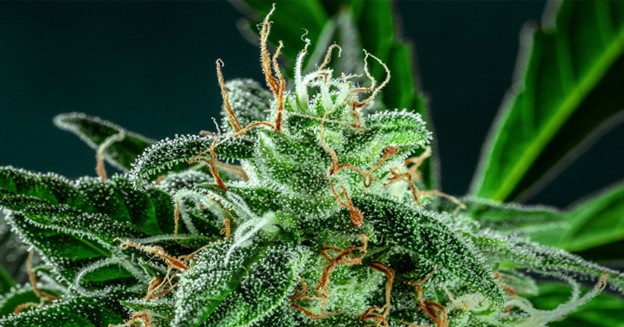
Walk into a dispensary and you will see prices for cannabis flower vary wildly, sometimes by three or four times the amount for what looks like a similar product.
Table of Contents
This gap raises a question for curious consumers and researchers. What separates a budget-tier product from something labeled “premium” or “top shelf?” Does that label reflect differences in quality? Or is it mostly marketing?
Understanding how cannabis is graded, cultivated, and priced offers a useful case study in agricultural economics, quality control, and consumer psychology.

How Cannabis Grading Works
Unlike many agricultural products, cannabis does not have a regulated grading system across all markets. Instead, quality tiers emerged from industry convention and consumer expectation. Factors used to sort flower into tiers include:
- Visual appearance, such as trichome density, color saturation, and trim quality.
- Aroma intensity and complexity, often linked to terpene concentration.
- Moisture content and curing consistency.
- Absence of visible mold, seeds, or stems.
- Cultivation method (indoor, greenhouse, or outdoor).
None of these factors are inherently subjective measurements. Trichome density and moisture content, for example, can be assessed with lab equipment. But the overall “tier” a product receives is still largely a judgment call made by growers, processors, or retailers.
The Role of Cultivation Environment
Indoor cultivation allows growers to control temperature, humidity, light cycles, and airflow with precision. This reduces the risk of pest damage and inconsistent growth. That is why indoor-grown flower is often positioned at a higher price point than outdoor- or greenhouse-grown product.


Outdoor cultivation, by contrast, relies on natural sunlight and seasonal weather patterns. It is generally less expensive to operate. But it introduces more variability in the final product, since growers have less control over environmental factors.
Why Labor and Post-Harvest Handling Matter
A significant portion of the cost difference in premium flower comes down to labor, not just genetics. Hand-trimming, slow-curing, and careful storage require more time and skilled labor than automated processing methods.
Slow curing is a process where harvested flower is dried and stored under controlled humidity for an extended period, sometimes several weeks. This influences aroma and texture. It requires dedicated space and monitoring that faster processing methods skip entirely.
Retailers and platforms that specialize in curated selections, such as Top Shelf Cannabis, often highlight these post-harvest practices as part of explaining why certain batches are categorized differently from mass-produced flower. From a research perspective, this illustrates how supply chain decisions, not just plant genetics, shape final product classification.
Lab Testing and Analytical Verification
Regulated markets typically require cannabis products to undergo laboratory testing before sale. These tests generally screen for:
- Pesticide residue
- Heavy metal contamination
- Microbial content, including mold and bacteria
- Cannabinoid and terpene profiles reported as percentages
This testing framework is similar to quality assurance protocols used in other agricultural and botanical industries. Analytical chemistry is used to verify composition and safety.
Interestingly, some of the analytical techniques used in cannabis testing, such as chromatography and mass spectrometry, are also standard tools in peptide and compound research. These methods allow researchers to verify purity and identify specific molecular profiles.


Is Premium Pricing Justified? A Consumer Research Perspective
Premium pricing reflects a mix of production costs and perceived value. Consumers frequently associate higher prices with higher quality. Several cost drivers support higher prices for certain products:
- Lower yield per plant due to selective pruning.
- Higher labor costs from hand-processing.
- Extended curing timelines that tie up storage space.
- Stricter sourcing and testing standards.
Sites like Top Shelf Cannabis often serve as reference points for comparing how different cultivators approach these standards, which can be useful for anyone studying the broader supply chain rather than simply shopping.
What This Means for Informed Consumers
The takeaway from an educational standpoint is that “premium” is not a meaningless marketing term, but it is also not a strictly standardized one. Understanding the factors such as cultivation method, labor input, curing practices, and lab verification gives consumers and researchers an objective framework for evaluating claims.


Pricing in the cannabis flower market reflects a combination of production costs and market positioning. Cultivation environment, labor-intensive processing, and rigorous lab testing all contribute to why some flower commands a higher price than others. Rather than taking tier labels at face value, understanding these underlying factors equips consumers and researchers with a clearer, evidence-based way to evaluate quality claims in this evolving industry.
Frequently Asked Questions
1. What does “top shelf” mean in the cannabis industry?
It refers to flower considered higher quality based on appearance, aroma, trim, and cultivation method, though there is no single industry-wide standard defining the term.
2. Does indoor-grown cannabis always cost more than outdoor-grown?
Yes, because indoor cultivation involves higher operational costs for climate control, lighting, and labor.
3. Why is lab testing important for cannabis products?
Lab testing verifies safety and composition, screening for contaminants like pesticides, heavy metals, and mold, similar to quality control practices in other agricultural industries.
4. What is slow-curing and why does it matter?
Slow curing is a controlled drying process that can take weeks. It is used to manage moisture and preserve texture and aroma consistency.
5. Are premium price tags always a reliable quality indicator?
Not necessarily. While cost drivers like labor and curing time are legitimate, pricing psychology also plays a role. So price should not be the only factor used to judge quality.