




A leading state cannabis regulator and other experts explained their great confusion about the ongoing federal medical cannabis license process on a webinar.
Table of Contents
- State Regulators Confused by Federal Medical Cannabis Process
- Legal Questions
- Bifurcated Federal V. State Medical Cannabis Market s
- Federal Medical Cannabis Legalization Issues
- DOJ Supportive of State Cannabis Regulators?
- DEA Caused Chaos
- State Cannabis Regulators and Federal Issues
- Trying to Predict the Future of American Cannabis
- 280-E Problems Likely Remain with Schedule III Federal Medical Cannabis
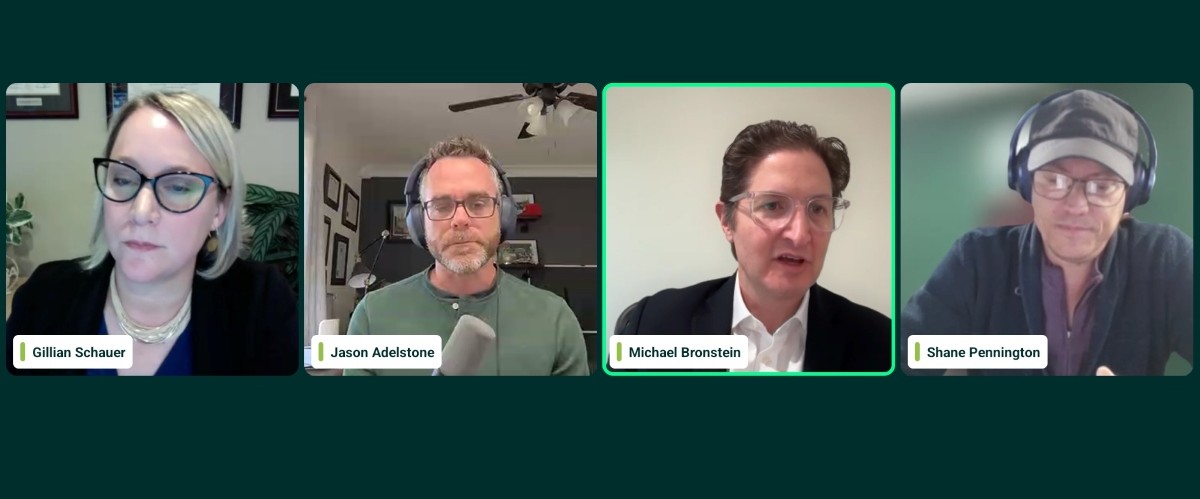
The discussion was moderated by American Trade Association for Cannabis and Hemp (ATACH) President Michael Bronstein. He was active in the NJ legalization movement. ATACH has been very active in the New Jersey hemp debate over the years.
State Regulators Confused by Federal Medical Cannabis Process
“CANNRA really wanted to work with DEA (Drug Enforcement Administration) HQ,” Cannabis Regulators Association (CANNRA) Executive Director Gillian Schauer explained.
CANNRA includes the NJ Cannabis Regulatory Commission (NJCRC).
“We still have not been able to meet … or have a working relationship…There’s been a lot of… really fundamental questions,” she explained.
Schauer noted regional DEA agents have been speaking to regulators and providing some guidance here and there.
“There hasn’t been a coordinated effort by the DEA,” she explained.


“It’s chaos!!” Schauer exclaimed.
She said conflicts between states and the federal government could cause a lot of issues. For example, an exclusively federal medical cannabis ecosystem might have no labs to test their products.
Interstate Commerce is another issue many are eager to understand but have seen little guidance.
“What is to happen to a business in the DEA supply chain?” Schauer asked.
“It’s built on a house of cards!” she exclaimed. “…State and federal conflicts are increasing dramatically.”
DEA is not like the NJCRC. The NJCRC Commissioners are generally amicable people with backgrounds in law and politics who understand the great vision shared by many cannabis advocates for social justice and small, local, minority, women, and veteran businesses championed.
In stark contrast, it seems DEA doesn’t want to make progress but is only doing so because President Donald Trump is forcing them to.
“We aren’t getting clear guidance either!” Schauer exclaimed.
She also noted that the confusion could hurt medical cannabis patient care.
Legal Questions
Attorney Shane Pennington explained there’s a federal lawsuit which is delaying the DEA’s show trial process on whether adult-use cannabis should be moved from a Schedule I Drug to Schedule III.
He said there are multiple groups of petitioners in the suit in the federal cannabis lawsuit.
“We’ll see what happens there,” Pennington said.


Bifurcated Federal V. State Medical Cannabis Markets
“Our state systems are now bifurcated,” Bronstein explained.
Attorney Jason Adelstone argued the federal medical cannabis process has become a constant guessing game of short- and long-term issues of embracing the federal market versus state licensees.
“It was always going to be a bifurcated market,” he said. “It was always going to be a closed loop system.”
Pennington said it seems federal medical cannabis licensed businesses will be taken out of the market and legal structure in which they have been operating.
He said the federal rule and public comment process is the normal federal regulatory process that takes time. But they are not going through that process.
“It’s just dropping obligations from heaven or hell…,” Pennington said.
Schauer said the state regulators have heard contradictory federal legal guidance from different DEA agents.
Heady NJ has heard the same thing about NJCRC Investigators from several NJ cannabis operators.
Adelstone said it could destroy systems and businesses in the odd separation from existing medical cannabis markets and laws and new federal medical cannabis laws and markets.
Federal Medical Cannabis Legalization Issues
Adelstone said things were going well intially.
“It was an extremely friendly process… the inspection went great!” he exclaimed.
However, “businesses have been extremely frustrated and concerned,” Adelstone noted.
It has been noted in the news that a lot of corporate Multi-State Operators (MSOs) have made progress in the federally legal medical cannabis process.
“Even within their own vertically integrated company, not all their licenses are federal,” Adelstone noted.
DOJ Supportive of State Cannabis Regulators?
“Was this even what the DOJ (US Department of Justice) meant for this?” MB asked.
“It seems kind of unfathomable!” Pennington exclaimed.
He noted the DEA has often otherwise respected state law on drugs as state-legal cannabis progress has occurred across the nation over the years under state regulators like the NJCRC.
“DOJ has looked at this… and drawn the considerable conclusion they’re doing a great job!” Pennington declared.
He noted state-legal cannabis markets have very strict rules the DOJ likes and wanted to work with.
“There’s a lot there,” Pennington said.
He said they can report to the United Nations based on their mandates from the 1962 Treaty on Drugs using state statistics.
Adelstone said the state regulators and DEA have a similar goal with statistics, regulating, and diversion against the legacy market.
Diversion is when state legal cannabis products are sold in the underground legacy market, often through unique smoke shops.
DEA Caused Chaos
“DOJ has told the DEA to do it quickly within 6 months.,” Pennington said. “As soon as that baton get passed to DEA… it turns around and runs in the opposite direction!”
“They do not reflect the respect and deference to the states!” he exclaimed.
“It’s causing serious health risks on the ground,” Pennington argued.
State Cannabis Regulators and Federal Issues
He lamented that state regulators like their NJCRC can’t do their jobs without clear and extensive communication from the federal government.
“It’s going to crush a lot of companies!” Pennington declared. “Maybe DEA doesn’t care about that.”
“It’s going to make it much more difficult for regulators to prevent diversion,” Schauer noted
She said Regional DEA agents are more amicable and transparent than the federal DEA HQ has been.
“I hope it’s a breakdown in communication,” Pennington said.
“I would assume the same,” Adelstone said.
Trying to Predict the Future of American Cannabis
“What do you see in the immediate future?” mb asked.
Schauer said many state-licensed businesses are lobbying state regulators to change policy to comply with federal cannabis policy.
“Communication with the DEA would certainly help with this,” she added.
Schauer added that complying with two systems of laws could hurt small medical cannabis businesses.
Adelstone also noted that the medical cannabis market is not very profitable in contrast to the adult-use cannabis market.
280-E Problems Likely Remain with Schedule III Federal Medical Cannabis
Pennington noted IRS Section 280-E tax relief is a big issue for licensed businesses that want to deduct expenses from taxes.
“Even if you’re registered, the 280 penalty would apply,” he argued.
Pennington said it’s hard to get out of the federal medical process, which is unknown.