




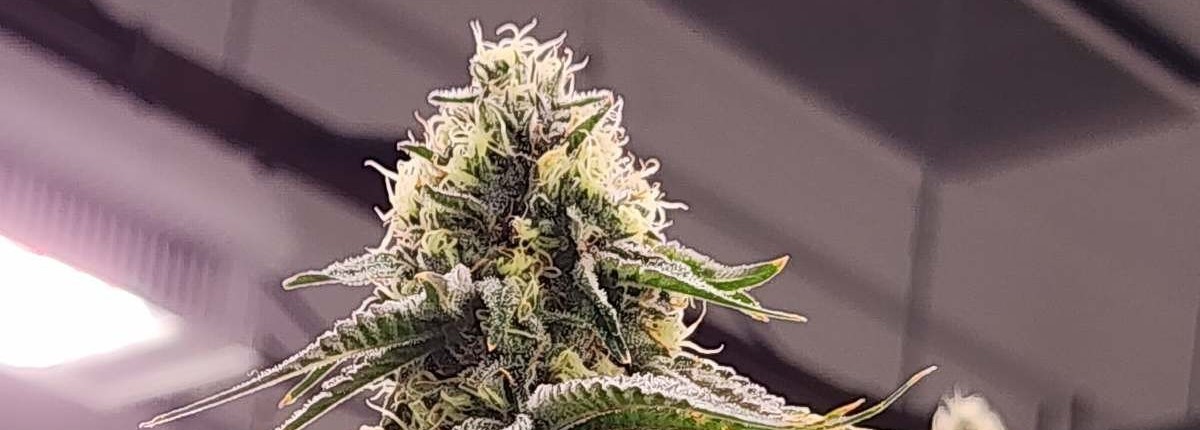
Most people who use cannabis think about THC. But most underground legacy weed, dispensary cannabis, and infused hemp flower is THCA-dominant. The difference comes with a little heat.
Table of Contents
- What Is THCA and How Is It Different From THC
- Why THCA Flower Has Become a Topic of Serious Interest
- How Decarboxylation Works
- Reading THCA Content on a Product Label
- THCA Flower vs Standard Cannabis Flower
- Terpenes and the Full Cannabinoid Profile in THCA Flower
- How to Store THCA Flower Properly
- Responsible Consumption and Practical Awareness
THC is the cannabinoid that gets the most attention, the one listed prominently on product labels, and the one most consumers use as a reference point when comparing products. But fresh cannabis flower does not contain much THC at all.
What it contains is THCA. Understanding the difference between these two compounds tells you a lot about how cannabis works at a chemical level.


What Is THCA and How Is It Different From THC
THCA stands for tetrahydrocannabinolic acid. It is the raw, acidic precursor to THC that exists naturally in the living cannabis plant. While the plant is growing, it produces THCA through its own biosynthetic processes. THC, the compound most people are familiar with, only appears in significant quantities after the cannabis is exposed to heat.
The chemical distinction comes down to molecular structure. THCA has an extra carboxyl group attached to its molecular chain. This changes how the compound interacts with the body. In its raw acidic form, THCA does not bind to the brain receptors that THC activates. So raw THCA flower consumed without heat behaves very differently than heated cannabis.
When heat is applied through smoking, vaping, dabbing, or baking, that carboxyl group is released as carbon dioxide in a process called decarboxylation. What remains after decarboxylation is THC, the active form of the compound that most users are seeking.
Why THCA Flower Has Become a Topic of Serious Interest
The growing interest in THCA flower comes from several directions at once. For some consumers, the appeal is curiosity about raw cannabinoids and the full spectrum of what the cannabis plant produces before processing. For others, particularly in regions where the legal framework distinguishes between THCA and THC content, it opens up access questions worth understanding.
High-THCA flower is essentially high-quality cannabis in its pre-decarboxylated form. A flower that tests at 25 percent THCA will convert to a product with substantial THC content once heat is applied. The THCA percentage on a label is therefore a meaningful indicator of potency potential, not just an abstract chemistry measurement.
This is why experienced cannabis consumers pay attention to THCA percentages alongside total cannabinoids content when evaluating flower quality. If you want to explore what the current market offers in this category, browsing THCA Flower for Sale gives you a useful starting point for understanding what high-THCA cultivars look like across different strain profiles and formats.
How Decarboxylation Works
Decarboxylation happens automatically when you apply heat to cannabis through any of the standard consumption methods.
Smoking flower triggers decarboxylation almost instantly through combustion. Vaporizing works at lower temperatures and converts THCA to THC more gradually, depending on the temperature setting used. Dabbing concentrates involves a heated surface that causes rapid decarboxylation at the point of contact.
Even slow, gradual processes can cause partial decarboxylation. For example, cannabis flower stored at room temperature over a long period will slowly convert some THCA to THC through exposure to light and ambient heat. This natural, time-based conversion is called aging or curing. It is part of why properly cured flower sometimes tests slightly differently than fresh-harvested material.
For cooking purposes, decarboxylation needs to happen before cannabis is added to food if you want the THC to be active. Stirring raw flower into a recipe without prior heating doesn’t produce the same result as flower that has been pre-decarboxylated.
Reading THCA Content on a Product Label
Understanding how to read a cannabis label that includes THCA information makes you a more informed consumer. When a product lists THCA percentage, it tells you the concentration of raw acidic precursor in the flower before heat is applied.
To estimate the total potential THC content after decarboxylation, a commonly used formula multiplies the THCA percentage by 0.877 and adds any existing THC percentage. This accounts for the molecular weight lost when the carboxyl group is released during decarboxylation. The result gives you the theoretical maximum THC content if full decarboxylation occurs.


In practice, not all THCA converts perfectly during consumption, so THC delivery is somewhat lower than this calculated maximum. But the formula gives you a reasonable approximation for comparison purposes.
THCA Flower vs Standard Cannabis Flower
At first glance, THCA flower and standard cannabis flower might seem identical. The appearance, smell, and texture of high-quality THCA flower is indistinguishable from conventionally grown and processed cannabis flower to the naked eye.
The distinction affects how the flower is categorized, tested, and labeled rather than in any dramatic physical difference. High-THCA flower is essentially cannabis with a high concentration of the unconverted precursor cannabinoid, which then converts during consumption.
What does differ meaningfully is the context in which THCA flower is discussed and sold in different markets. In the United States, the 2018 Farm Bill created a framework where hemp is defined partly by its total THC content rather than its THCA content. This distinction has created a specific market category for high-THCA hemp flower that sits in a nuanced regulatory space that varies by state and continues to evolve.

Regardless of regulatory context, the underlying chemistry is the same. THCA converts to THC when heated, and the quality of the experience depends on the quality of the cultivar, the growing conditions, the cure, and the terpene profile, just as with any cannabis flower.
Terpenes and the Full Cannabinoid Profile in THCA Flower
THCA does not exist in isolation. Cannabis flower contains dozens of cannabinoids alongside THCA, like CBDA (the acidic precursor to CBD), CBG, CBN, and others. It also has a complex terpene profile that contributes significantly to the overall character of the product.
Terpenes are the aromatic compounds that give each strain its distinctive smell and flavor. They include myrcene with its earthy, musky notes, limonene with citrus brightness, caryophyllene with spice and pepper, linalool with floral softness, and pinene with a fresh forest quality. These compounds interact with cannabinoids in ways that influence the overall experience, a concept often referred to as the entourage effect.
When shopping for THCA flower, paying attention to the terpene profile alongside the THCA percentage gives you a complete picture of what to expect. For consumers ready to explore options across different cultivars and terpene profiles, THCA Flower for Sale offers a range of products that reflect genuine variety in both genetics and cannabinoid content.
How to Store THCA Flower Properly
Storage matters more than most people realize. THCA flower is sensitive to environmental factors that degrade cannabis generally. So gradual decarboxylation can occur over time if storage conditions are poor.
Keep THCA flower in an airtight container away from direct light. Ultraviolet light is particularly damaging to cannabinoids and terpenes and will degrade quality very quickly. A dark glass jar with a tight seal is simple and effective.
Storing flower in warm conditions accelerates degradation and can promote unwanted decarboxylation. A stable, cool environment with moderate humidity, typically between 55 and 62 percent relative humidity, preserves potency and terpene content over time. Humidity packs designed specifically for cannabis storage make this easy to maintain without constant monitoring.
Avoid storing cannabis in the freezer unless you are doing so for an extended period and have taken steps to protect the trichomes, which become brittle and fragile at very low temperatures.
Responsible Consumption and Practical Awareness
Since THCA flower converts to active THC when heated, the same responsible use considerations that apply to any potent cannabis product apply here.
Potency can vary significantly between cultivars, so starting with a smaller amount and giving yourself time to understand how a particular product affects you is always sensible regardless of experience level.
Being aware of the legal context in your specific location is also important. Regulations around THCA and THC content vary considerably between jurisdictions and continue to change as cannabis policy evolves at state and federal levels in the US and across international markets.