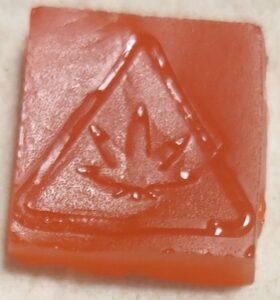





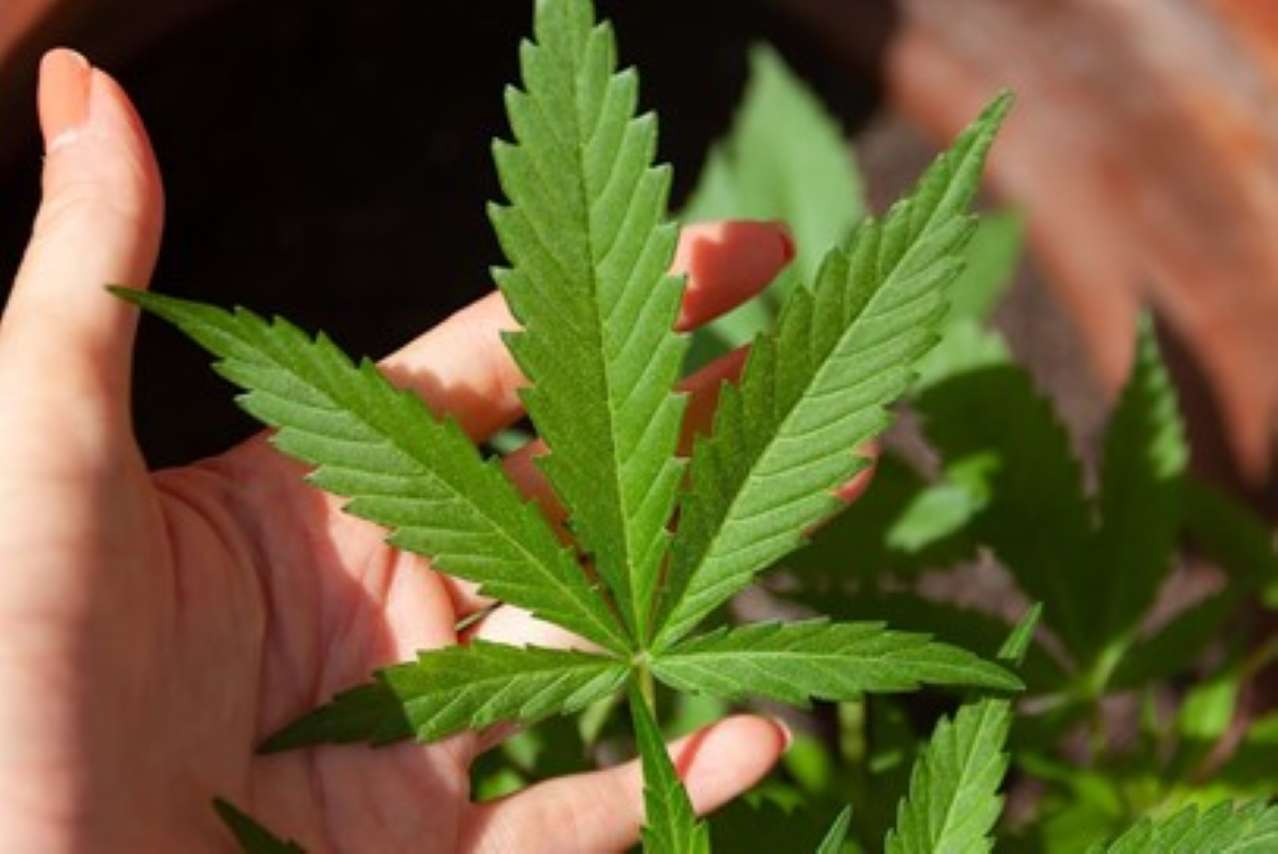
THC and THCa come from the same plant but act differently when heated and consumed. For buyers, deciding which one “better” depends on what they value most: effects, access, legal rules, and how they prefer to purchase.
This guide will help you understand how each cannabinoid compound works so you can compare dispensary cannabis with compliant hemp-derived THCa products.
What Is THC?
THC, or Delta-9-Tetrahydrocannabinol, is the main psychoactive compound in cannabis. It becomes active after heating and is responsible for the euphoric and mood-shifting effects associated with cannabis use. Because of these effects, THC is regulated under state cannabis laws.
THC products are typically purchased through licensed recreational or medical dispensaries and comes in many forms. They include flower, vapes, edibles, and concentrates. Potency and terpene profiles vary by product and strain. For most buyers, THC is the baseline compound used to compare other cannabinoids like THCa, CBD, or delta-8, especially when assessing strength and psychoactive impact.

What Is THCa?
THCa, or Tetrahydrocannabinolic acid, is the non-psychoactive precursor to THC found in raw cannabis and hemp flowers. It does not cause intoxication until it is heated, a process called decarboxylation, which converts THCa into THC. This distinction influences both effects and legal classification.
Under federal hemp rules, THCa flower can qualify as compliant hemp if its Delta 9 THC remains at or below 0.3% by dry weight before heating. Once smoked, vaped, or cooked, THCa becomes THC and can produce effects similar to traditional cannabis. This dual profile, non-psychoactive raw and psychoactive after heat, has made THCa popular in online hemp markets and product comparisons.
THC vs THCa: Key Differences at a Glance
THC and THCa come from the same plant but act differently based on heat, legality, and how they are consumed. Buyers who compare the two often look at activation, psychoactive effects, and how easy each one is to purchase.
| Category | THC | THCa |
| Activation | Already activated | Requires heat to activate |
| Psychoactive Effects | Present without additional steps | Only after decarboxylation |
| Legal Status (Federal) | Regulated cannabis | Hemp if ≤0.3% Δ9 THC pre-heat |
| Purchase Access | Licensed dispensaries | Online + select hemp retailers |
| Shipping | Restricted across state lines | Shippable if compliant |
| Drug Testing | Likely to trigger | May trigger after consumption |
| Common Formats | Flower, vapes, edibles, concentrates | Flower, diamonds, concentrates |
| Pricing | Higher due to taxes & regulations | Varies across the hemp market |
Which Is Better: THC or THCa?
Choosing which compound is “better” depends on what buyers value: effects, access, legality, and purchasing options. There is no single answer because each fits different needs.

Best Option for Recreational Users
Recreational users often want stronger psychoactive effects, flavor, and strain variety. THC is the most direct choice. It is already activated and sold in licensed dispensaries with consistent potency across flower, concentrates, and edibles.
Best Option for Wellness and Lifestyle Users
Some lifestyle users prefer the Lemon Cherry Gelato strain for a more flexible THCa experience. Raw THCa isn’t intoxicating, and once heated, it can feel similar to THC without requiring a dispensary visit. This appeals to buyers who enjoy cannabis but don’t always want strong effects.
Best Option for Legal and Online Buyers
THCa is often favored by buyers who value legal accessibility and online shipping. Compliant THCa flower can be ordered under hemp regulations in many states, making it a practical option for those without dispensary access or living in non-legal cannabis states.
Is THCa Legal and Safe to Buy Online?
THCa has become popular among online buyers because it can qualify as compliant hemp before heating, allowing it to be sold and shipped in many U.S. states. Its legal status can change based on Δ9 THC levels and state rules, which is why COAs and documentation are important.
Federal Legal Framework Explained
In December 2025, a new law shifted hemp compliance from a Δ9-only standard to a “total THC” limit. This change takes effect in November 2026 and will tighten rules around THCa and other hemp-derived cannabinoids.*
Before the law changed:
- Only Delta-9 THC was measured
- THCa, Delta-8, Delta-10, etc., could be high and still pass as “hemp.”
After November 2026:


- Hemp must stay below 0.3% total THC
- This includes THCa that would turn into THC during decarboxylation
Safety and Quality Considerations
When buying online, it’s best to review batch-specific COAs, hemp labeling, and recent lab dates to confirm compliance. In COA reviews for THCa flower, the most noticeable differences were in potency accuracy, terpene data, and documentation clarity, rather than strain names or marketing terms.
Frequently Asked Questions
Is THCa stronger than THC?

THCa is non-intoxicating in raw form. Once heated, it converts into THC and can feel similar to high-THC cannabis. Potency varies by strain, terpenes, and total potential THC listed on the COA.
Can THCa show up on a drug test?
Drug tests detect THC metabolites, not raw THCa. After heating and consumption, THCa converts to THC and may produce detectable metabolites, which could trigger a positive result.
Which is better for anxiety: THC or THCa?
Some buyers prefer THC for stronger psychoactive effects. Others choose THCa for legal access and flexible use. Neither is a medical treatment, and individual tolerance plays a role.
Final Verdict: Should You Choose THC or THCa?
THC suits recreational users seeking immediate effects and consistent potency through dispensaries. THCa appeals to those prioritizing legal access, online ordering, and flexibility, especially in restricted states. When heated, THCa delivers THC-like effects, making it popular among hemp buyers. Products from trusted retailers like Budpop provide a convenient way to explore strains without visiting a dispensary.