





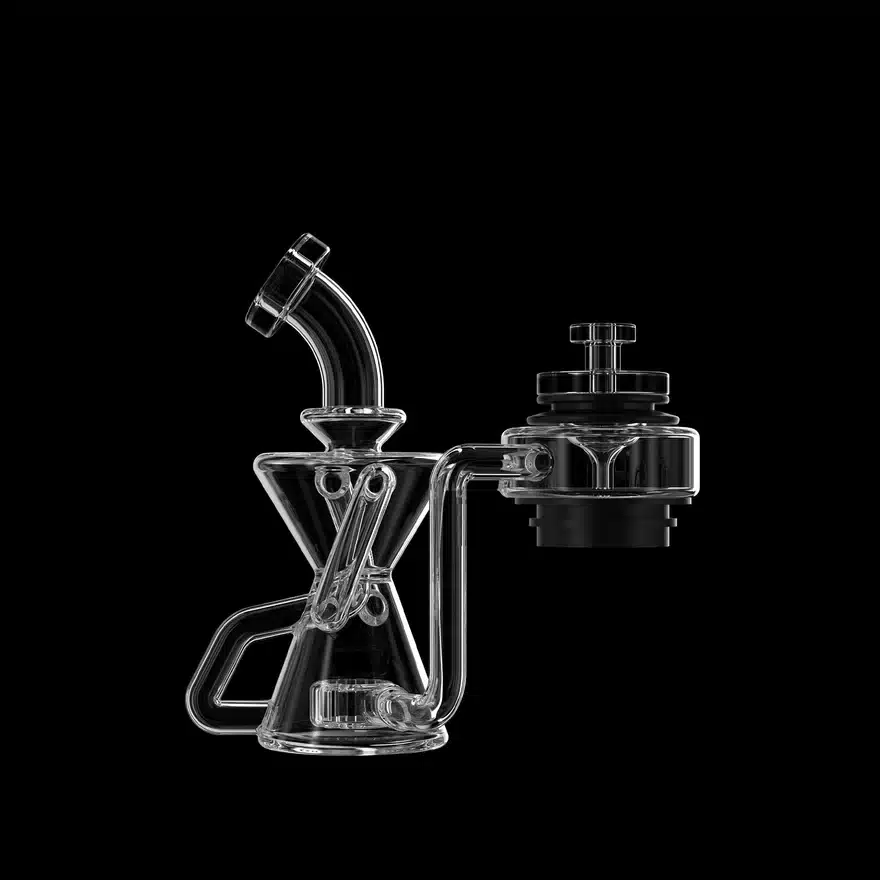
Browsing a New Jersey glass shop can be overwhelming when recycler dab rigs compete for attention with intricate designs. With careful consideration, it’s easier to choose a recycler that offers reliable construction, practical design, and lasting value.
But does an attractive rig always deliver the quality and performance you expect? Appearance is only one factor to consider.
The quality of the borosilicate glass, chamber design, airflow, and percolation system can all affect durability and overall function.
Understanding these details helps buyers look beyond visual appeal and assess how a piece has been made.


Why the Glass Itself Genuinely Matters
Before getting into rig styles or percolator designs, it helps to understand the material foundation behind quality glassware, since everything else about a rig’s performance ultimately depends on it. According to Arbor Scientific, a scientific equipment supplier, laboratory-grade borosilicate glass complies with the ASTM E438 Standard Specification for Glasses in Laboratory Apparatus, and its low coefficient of thermal expansion allows it to withstand significant temperature gradients and sudden thermal shocks far better than standard glass.
That distinction matters because the same material science applies directly to a well-made rig. A piece built from genuine, properly annealed borosilicate can handle repeated heating and cooling cycles without developing the stress cracks that lower-quality glass eventually shows, which is exactly why material quality should be one of the first things a buyer checks, well before getting swept up in a piece’s visual design.
How a Recycler Works, and Why the Percolator Matters
Once the material foundation is solid, the next thing worth understanding is what makes a recycler function the way it does. A recycler’s defining feature is its continuous water-cycling chamber design. Water and vapor move through a closed loop rather than splashing directly upward. It keeps the chamber genuinely cleaner and prevents the harsh, unfiltered pull that a simpler rig design can produce.
This circulation happens through carefully engineered internal pathways, and the precision of that glasswork inside the percolator is exactly what separates a recycler that performs well from one that just looks impressive sitting still. A handful of specific percolator features affect how smoothly a recycler performs in practice:


- Splash-back prevention, ensuring water doesn’t reach the mouthpiece even during vigorous use
- Consistent water cycling, so the recycling action continues smoothly rather than stalling partway through
- Multiple chamber loops, which can add cooling without making the piece harder to clean afterward
- Joint quality at connection points, since poorly sealed joints are where leaks and airflow issues most commonly start
This reveals whether the recycling action is a genuine engineering feature or a decorative loop that looks impressive but doesn’t do much.
Why Craftsmanship Shows Up in the Small Details
This is where all of that material quality and percolator engineering comes together, in the craftsmanship of the finished piece. Hand-blown glass pieces vary considerably in quality. It depends on the skill and care that went into shaping and annealing the glass. Seam consistency, wall thickness, and joint alignment tend to reveal exactly how carefully a piece was built.
Looking through a genuinely well-made Croia Glass recycler dab rig collection makes this comparison easier to see firsthand. Their pieces are built from thick borosilicate glass with compact chambers and minimal vapor paths, designed specifically around consistent water diffusion and genuine ease of maintenance, exactly the kind of construction detail that separates a piece built to perform well from one that only photographs nicely.
Matching Size and Portability to How the Piece Will Be Used
Beyond the glasswork itself, a handful of practical factors matter for how well a piece fits into someone’s daily use rather than how it looks on a shelf:
- Compact designs suit those who want something easy to store and clean regularly
- Larger recycler builds offer more elaborate chamber systems, at the cost of a bigger physical footprint
- Joint size compatibility matters for anyone who already owns accessories they’d like to keep using
Getting this balance right means a piece someone reaches for regularly, rather than one that looks impressive but ends up tucked away because it’s inconvenient to use or clean.
Why Easy Maintenance Should Factor Into the Decision Too
That last point about cleaning is worth taking seriously on its own, since it directly affects how well a rig performs over its lifetime. A rig with a thoughtful chamber design tends to be considerably easier to clean than one with unnecessarily complicated internal pathways.


Fewer tight corners and awkward angles mean cleaning solution can reach every surface, which matters enormously for keeping a piece performing well over months and years of regular use, rather than developing residue buildup in spots that are genuinely difficult to reach.
Conclusion
Choosing a recycler dab rig should involve more than selecting an attractive design. Paying attention to the quality of the glass, the strength of the construction, and the overall craftsmanship can help buyers make more informed decisions.
A well-made piece is more likely to provide reliable performance and lasting value. By considering these details carefully, buyers can choose a recycler dab rig that combines thoughtful design, durability, and practical everyday use.