




The year 1986 gave players The Legend of Zelda, Metroid, Dragon Quest, and Castlevania. During that same year, a small Amsterdam coffeeshop became a meeting point for cannabis growers and breeders. Forty years later, both scenes offer a useful lesson. Durable creative work comes from clear ideas, repeated tests, and preservation.
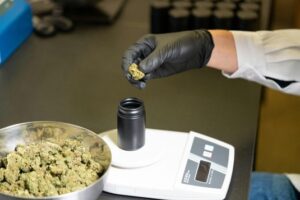
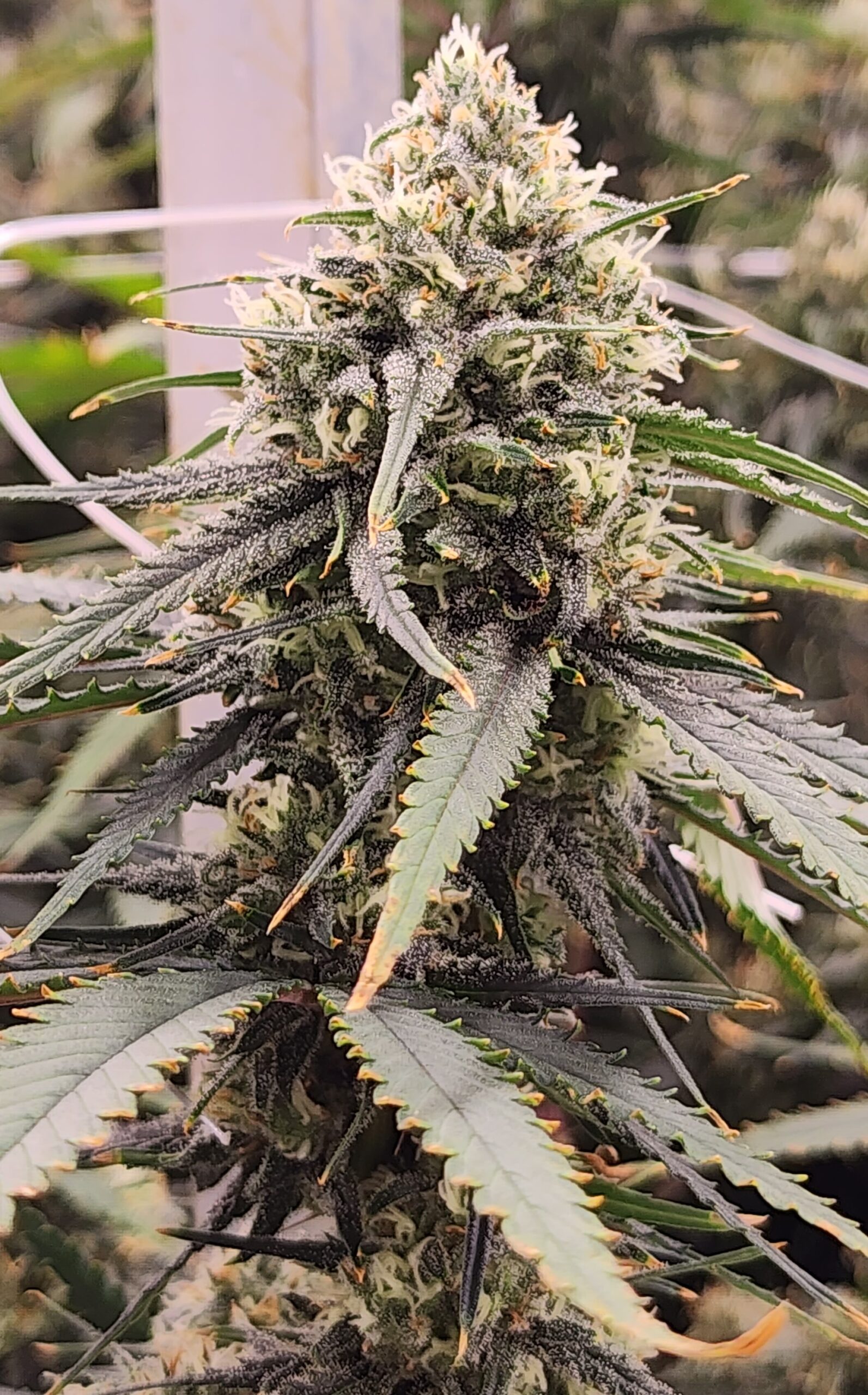
The Amsterdam story had already begun in 1982. The cannabis entrepreneur Derry studied Himalayan cannabis genetics with village growers in India. By 1986, he opened Barney’s Coffeeshop on Haarlemmerstraat, where a small circle compared plants and shared knowledge. Their work with Cannabis Seeds treated every specimen as a record of inherited traits, local conditions, and breeder decisions. That patient approach became the basis of the Barney’s Farm genetic library.
A Year That Widened the Map
Many 1986 games gave players more responsibility than earlier arcade designs allowed. The Legend of Zelda offered a broad map full of hidden routes and few direct instructions. Metroid turned a side-scrolling world into a connected maze, with new abilities changing where Samus could go. Dragon Quest made steady character development central to a home-console role-playing game, while Castlevania built tension through deliberate movement and exact enemy placement.
The year did not yield a single unified formula. It produced competing answers. Zelda trusted curiosity, Metroid made backtracking purposeful, Dragon Quest rewarded accumulation, and Castlevania turned restriction into rhythm. That variety is why 1986 works so well as a historical snapshot rather than a neat origin myth.


Those games did not arrive as fully settled formulas. Their creators combined existing mechanics, cut what the hardware could not support, and learned which choices made players curious enough to continue.
The same practical cycle appears in plant breeding. A breeder makes a cross, observes how traits appear across offspring, keeps promising individuals, and tests the next generation. The result depends on selection over time, not a clever name attached at the end.
Limits Gave the Work Its Shape
Technical and social limits influenced both fields. Designers worked with small amounts of memory, basic controllers, and short sound programs. Cannabis breeders often worked discreetly, in a legal gray area, with limited space and long intervals between one generation and the next. In both cases, a good idea had to survive contact with reality.
The limits encouraged a few habits that still matter:


- Repeated visual tiles, compact maps, and concise musical themes helped game makers build a larger sense of place from scarce storage.
- Breeders used notes, seed collections, and trusted networks to retain genetics that could otherwise disappear.
- Both groups judged results through direct experience. A mechanic had to feel right in play, and a plant had to express the traits its breeder intended.
Scarcity did not guarantee quality. It forced creators to make choices that players and growers could test for themselves. That pressure explains why so much work from the period feels direct. There was little room for a feature or a cross with no clear purpose.
Sequels and Crosses Need Memory
A long-running game series must know what to retain. Zelda can change its camera, scale, and combat while keeping curiosity at the center. Metroid returns to isolation, exploration, and access earned through new tools. Castlevania remains recognizable through timing, atmosphere, and a demanding relationship between movement and enemy patterns. New hardware changes the expression, but a coherent lineage keeps the identity readable.
Cannabis breeding follows its own version of that problem. Stability does not mean that every plant becomes identical; it means desired traits appear with enough consistency for growers to plan around them.
Barney’s Farm spent the 1990s testing and refining crosses before a run of competition results made the work visible. Sunburst won the High Times People’s Cannabis Cup in 1999, Sweet Tooth followed with major placements in 2000 and 2001, and later releases such as Amnesia Haze and G13 Haze carried the program into another decade.
The dates matter because they show revision rather than sudden success. Sweet Tooth returned after further refinement. G13 Haze won in consecutive years. Developers use sequels, ports, and remakes in a similar way: they preserve the working core, correct weak points, and learn how an old design behaves for a new audience.
The View From 2026
The original games remain playable because their rules are legible. Barney’s Farm grew from a coffeeshop circle into a genetic library of more than two hundred named strains by 2021 because breeders kept records, backups, and selection goals across decades.
In 2026, the original coffeeshop still stands on Haarlemmerstraat, and the game franchises born that year still receive new entries, rereleases, and reinterpretations. Neither history stayed frozen. The names survive because each generation still earns the next one.